

As the owner of HairAcc with extensive experience in both mass production and limited-edition collections, I understand the unique challenges of managing minimum order quantities for special releases. Limited-edition drops require a completely different approach to manufacturing than standard inventory production, balancing exclusivity with commercial viability.
The most viable MOQ options for limited-edition hair accessory drops include micro-batch production (50-200 units), made-to-order manufacturing (0 MOQ with longer lead times), hybrid production models combining standard and custom components, and collaborative manufacturing that aggregates multiple small orders.These approaches allow brands to maintain exclusivity while managing production costs and inventory risk effectively.
The limited-edition market continues to grow as consumers seek unique, exclusive products that reflect individual style and provide social currency. Based on our experience producing special collections for emerging and established brands, here's a comprehensive guide to MOQ strategies for successful limited-edition hair accessory drops.
What Micro-Batch Production Options Are Available?
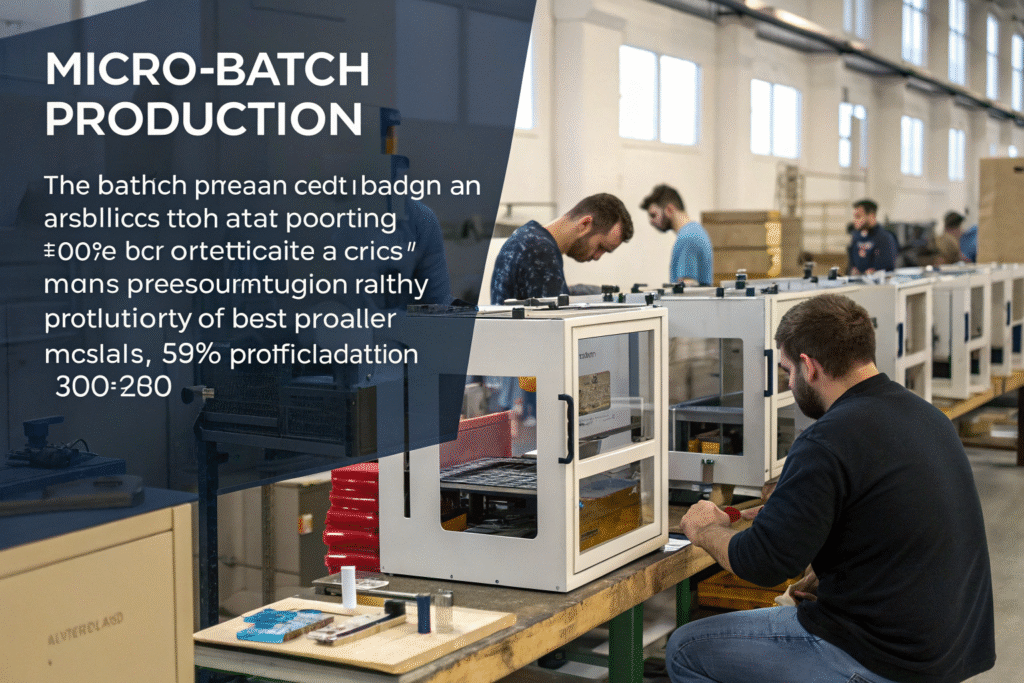
Micro-batch manufacturing has emerged as a game-changer for limited-edition releases, allowing brands to produce small quantities without compromising quality or facing prohibitive costs. This approach requires specialized manufacturing partners who understand small-scale production economics.
Micro-batch production typically ranges from 50-500 units per design, with per-unit costs 20-50% higher than mass production but offering complete creative freedom, minimal inventory risk, and the ability to test market response before committing to larger quantities.This approach works particularly well for experimental designs, trend-testing, and building brand exclusivity.
How Do MOQ Tiers Work for Small Batches?
Most manufacturers offering micro-batch production use tiered pricing structures that balance setup costs with per-unit pricing. Common tiers include 50-100 units for initial testing, 101-250 units for established limited editions, and 251-500 units for successful designs with proven demand. The cost structure typically includes fixed setup fees covering mold creation, sample development, and production line configuration, plus variable costs for materials and labor. Reputable manufacturers transparently break down these costs and can advise on the most cost-effective batch size for your specific designs and target retail pricing.
What Manufacturing Methods Support Small MOQs?
Several production methods specifically cater to small-batch manufacturing. 3D printing enables complex designs without expensive mold costs, while hand-assembly approaches work well for intricate details and mixed materials. Laser cutting technology allows precise fabrication without minimum quantity requirements, and digital printing facilitates custom patterns in small runs. The most flexible manufacturers combine multiple techniques and can recommend the most appropriate method based on your design complexity, material requirements, and quantity needs while maintaining quality consistency across small production runs.
How Does Made-to-Order Manufacturing Work for Limited Editions?
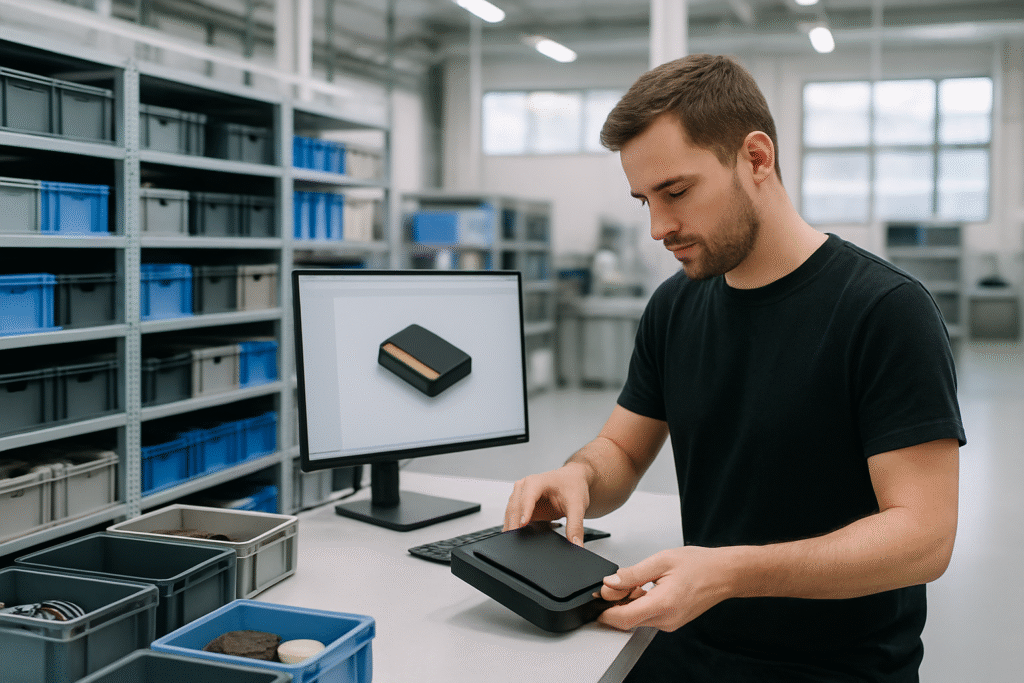
Made-to-order (MTO) manufacturing represents the ultimate solution for eliminating inventory risk while offering truly exclusive products. This approach requires careful planning and transparent communication with customers about extended lead times.
Made-to-order manufacturing operates with zero MOQ requirements, producing items only after receiving customer orders, with lead times typically ranging from 2-8 weeks depending on design complexity and component sourcing requirements.This model perfectly aligns with limited-edition strategies by ensuring no excess inventory while providing complete design freedom.
What Are the Lead Time Considerations for MTO?
Successful MTO implementation requires realistic lead time management. Simple designs using stock materials may ship within 2-3 weeks, while complex pieces with custom components can require 6-8 weeks. The production timeline includes order processing, material sourcing, production scheduling, manufacturing time, quality control, and shipping. Transparent manufacturers provide detailed timeline breakdowns and maintain communication throughout the process. They should also have contingency plans for material delays and quality issues that might impact delivery schedules for time-sensitive limited editions.
How Do MTO Costs Compare to Traditional Manufacturing?
MTO manufacturing typically carries a 30-70% price premium over traditional production due to higher per-unit labor costs, inability to leverage bulk material pricing, and more complex production scheduling. However, this approach eliminates inventory carrying costs, markdown losses from unsold merchandise, and storage expenses. The total cost analysis often reveals MTO can be more profitable for truly limited editions despite higher per-unit production costs. Manufacturers experienced with MTO can help brands calculate the true cost comparison specific to their designs and business model.
What Hybrid Manufacturing Models Support Limited Editions?
Hybrid approaches combine elements of pre-production and made-to-order manufacturing to balance the benefits of both systems. These models work particularly well for limited editions with customizable elements or collections featuring both standard and exclusive components.
Hybrid manufacturing models include component pre-production with final assembly per order, base inventory with customization options, and platform systems where standard mechanisms support limited-edition design elements.These approaches reduce lead times while maintaining exclusivity and minimizing inventory risk.
How Do Component-Based Systems Reduce MOQs?
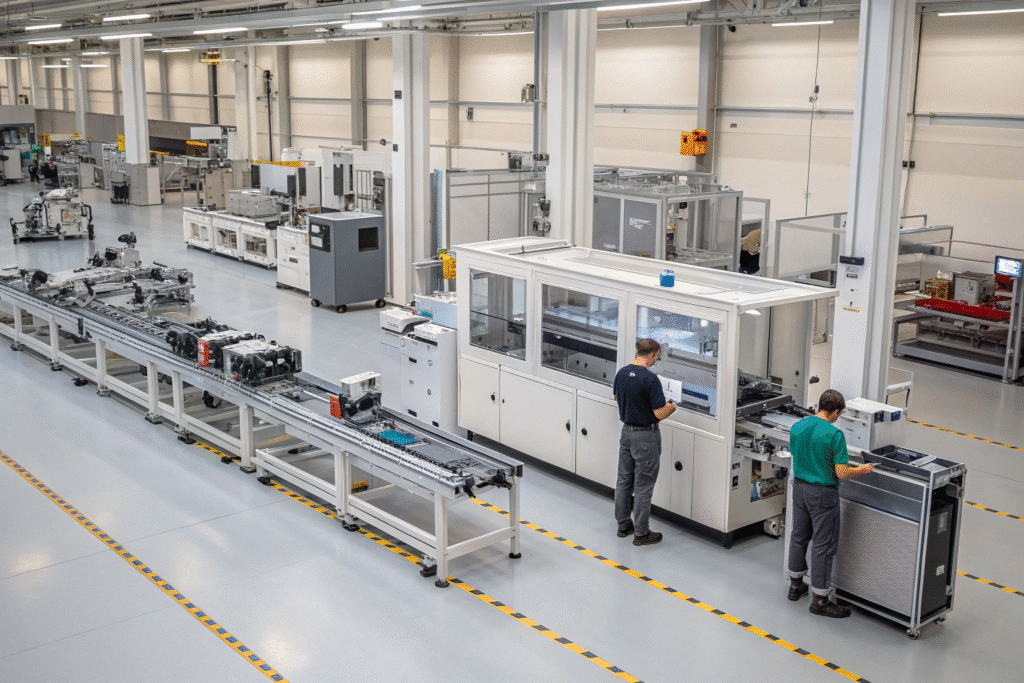
Component-based manufacturing separates standard elements from custom designs to optimize production efficiency. Manufacturers maintain inventory of standardized components like basic headband forms, clip mechanisms, or chain foundations, then apply limited-edition elements like unique decorations, special finishes, or custom materials as orders arrive. This approach allows MOQs as low as 25-50 units for the custom elements while leveraging economies of scale for standard components. The system requires careful inventory management but significantly reduces both MOQ requirements and lead times for limited editions.
What Platform Strategies Support Multiple Limited Editions?
Platform manufacturing uses standardized bases that support various limited-edition designs. For example, the same basic hair clip structure might accommodate different decorative tops, or a standard headband form could feature interchangeable decorative elements. This platform approach allows manufacturers to produce base components in larger quantities (reducing costs) while creating truly limited designs through customization. MOQs for the decorative elements can be as low as 50 units, while the platform components benefit from higher volume pricing. This strategy works exceptionally well for brands planning multiple limited editions using consistent construction methods.
How Can Collaborative Manufacturing Reduce MOQ Requirements?
Collaborative manufacturing brings multiple brands together to aggregate orders and achieve viable production quantities. This approach requires coordination and compromise but can make limited editions feasible for very small brands.
Collaborative manufacturing models include order aggregation across multiple brands, shared production slots in manufacturer schedules, collective material purchasing, and co-manufacturing arrangements where brands share both costs and outputs.These approaches can reduce effective MOQs to 25-50 units per design while maintaining production quality.
How Does Order Aggregation Work in Practice?
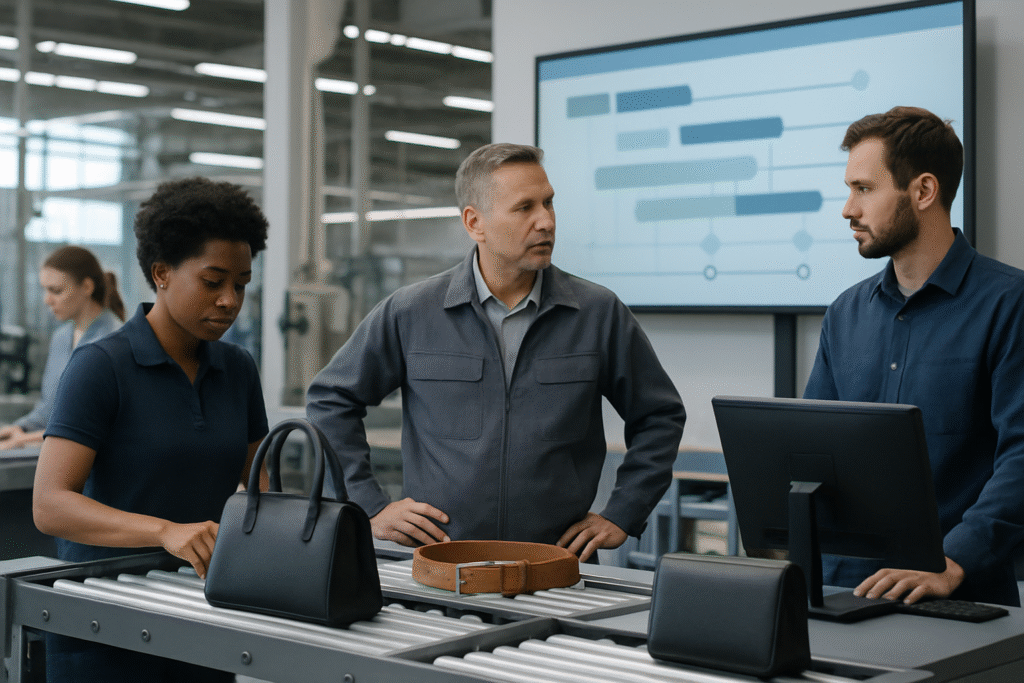
Order aggregation involves multiple brands combining their limited-edition production into single manufacturing runs. A manufacturer might schedule a "small batch week" where they produce limited editions for 5-10 different brands using similar materials and processes. The aggregated volume meets minimum efficiency thresholds while each brand receives their exclusive designs. This approach requires brands to align on production timelines and sometimes compromise on specific material choices, but it makes micro-batch production economically viable. Specialized manufacturers often coordinate these collaborative runs and handle the logistics of keeping each brand's designs separate and confidential.
What Are the Benefits of Shared Material Purchasing?
Shared material purchasing allows multiple brands to collectively meet minimum order quantities for specialty materials. This is particularly valuable for limited editions using expensive or unusual materials like specialty metals for hair clips, unique fabric patterns for headbands, or custom-dyed components. By aggregating material needs across multiple brands and limited editions, manufacturers can purchase at viable quantities while each brand accesses materials that would otherwise require prohibitive MOQs. This approach expands creative possibilities for limited editions while controlling material costs through collective purchasing power.
Conclusion
Limited-edition hair accessory drops require innovative approaches to MOQ management that balance creative freedom with production reality. By understanding the full spectrum of options—from micro-batch production and made-to-order systems to hybrid models and collaborative manufacturing—brands can develop limited-edition strategies that maintain exclusivity while remaining commercially viable. The most successful approaches often combine multiple strategies, using different manufacturing models for different types of limited editions based on complexity, pricing, and target audience.
If you're planning limited-edition hair accessory drops and need guidance on MOQ strategies, we invite you to contact HairAcc to discuss your specific requirements. With our experience producing both mass-market and exclusive collections, we can help you identify the most appropriate manufacturing approach for your limited editions. Reach out to our Business Director Elaine at elaine@fumaoclothing.com to explore how we can support your next limited-edition launch with optimal MOQ solutions.