

As the owner of HairAcc with extensive experience exporting hair ties to over 30 countries, I understand the complexities of international customs clearance firsthand. Navigating multiple countries' customs regulations can seem daunting, but with proper systems and knowledge, it becomes a manageable and even competitive advantage for your business.
Successful multi-country customs clearance requires understanding HTS classification variations, maintaining comprehensive documentation, building relationships with reliable customs brokers, leveraging technology solutions, and implementing proactive compliance management systems across all target markets.This systematic approach transforms customs clearance from a constant challenge into a streamlined process that supports your global expansion goals.
The hair tie industry faces unique customs challenges due to varying classifications, material regulations, and import requirements across different regions. Based on our experience serving markets across North America, Europe, Asia, and the Middle East, here's a comprehensive guide to managing multi-country customs clearance effectively.
What Documentation is Essential for Smooth Customs Clearance?
Proper documentation forms the foundation of successful customs clearance across multiple countries. Incomplete or incorrect paperwork represents the most common cause of shipping delays, additional costs, and compliance issues in international trade.
Essential documentation includes commercial invoices, packing lists, certificates of origin, bill of lading/air waybill, import declarations, and product-specific certificates covering materials, safety standards, and regulatory compliance for each destination country.Each document must be accurately completed, consistent across all paperwork, and readily accessible for customs authorities in the required format and language.
What Are the Universal Documentation Requirements?
Certain documents remain essential across most international markets, though specific requirements may vary. The commercial invoice must detail product descriptions, quantities, values, and harmonized system codes. Packing lists should match physical shipments exactly. Certificates of origin determine eligibility for preferential tariff treatment under various trade agreements. The bill of lading serves as both receipt and contract for carriage. Additionally, many countries require specific import declarations, safety certificates for elastic materials, and labeling compliance documentation. Maintaining digital copies of all documents in an organized, accessible system significantly streamlines the clearance process across multiple borders.
How Do Documentation Requirements Vary by Region?
Regional documentation variations present significant challenges for hair tie suppliers. The European Union requires specific CE marking documentation for certain product categories. The United States may require additional security filings through the Automated Commercial Environment (ACE) system. Asian markets often demand detailed material composition certificates, particularly for elastic components and dyes. Middle Eastern countries frequently require certificate of origin authentication through chambers of commerce and embassies. Understanding these regional variations and maintaining country-specific documentation templates ensures smooth clearance while avoiding costly delays and storage fees.
How to Classify Hair Ties Correctly Across Different Markets?
Proper classification represents one of the most challenging aspects of multi-country customs clearance for hair ties. Classification determines duty rates, eligibility for trade programs, and regulatory requirements in each market.
Hair ties typically classify under HTS heading 6610 as "hair bands, hair slides, and the like," but specific subheadings and interpretations vary significantly by country, requiring careful analysis of each market's tariff schedule and classification rulings. Understanding these variations helps optimize duty costs and ensure compliance across all your target markets.
What Are the Key Classification Differences by Region?
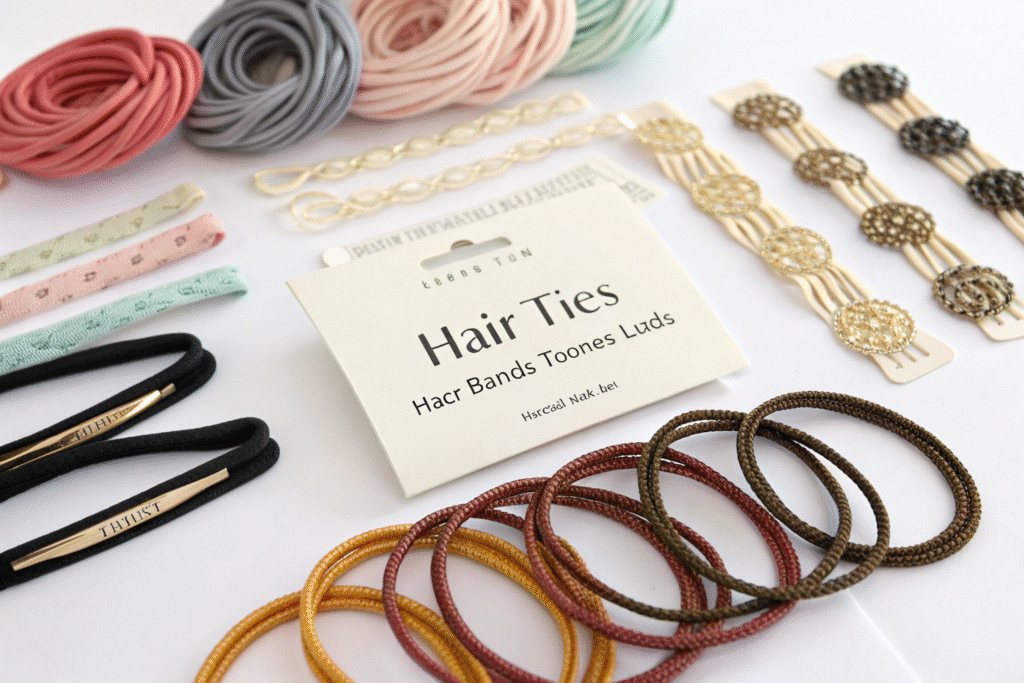
Classification variations can significantly impact your costs and compliance requirements. The United States typically classifies basic hair ties under HTSUS 6610.10.0000 with duties around 6-9%. The European Union uses heading 6610 with potential duty rates of 4.7-6.3%. Asian markets show wider variations, with China classifying under 6610100000 and Japan under 6610.10-000. These differences matter because they affect not only duty rates but also trade program eligibility and regulatory requirements. Some countries distinguish between simple elastic hair ties and more decorative versions, assigning different classifications and duty rates based on materials and construction.
How Can Suppliers Manage Classification Consistency?
Maintaining classification consistency across multiple markets requires systematic approaches. Develop a master classification database tracking each product's classification in all target markets. Obtain binding rulings from key markets like the US and EU for complex or borderline products. Work with local customs brokers in each country to verify classifications before shipping. Document classification decisions with detailed product descriptions, photographs, and material specifications. This proactive approach prevents classification disputes, ensures consistent compliance, and helps identify opportunities to optimize duty costs through strategic product design or sourcing adjustments.
What Strategies Simplify Multi-Country Customs Compliance?
Managing customs compliance across multiple countries requires systematic approaches that balance efficiency with regulatory requirements. Successful suppliers implement comprehensive compliance programs rather than reacting to issues as they arise.
Effective compliance strategies include centralized compliance management, standardized processes with country-specific adaptations, technology integration, regular compliance audits, and proactive relationship building with customs authorities and brokers in key markets.These approaches transform customs management from a reactive cost center into a strategic advantage.
How Can Technology Streamline Multi-Country Clearance?
Modern technology solutions dramatically simplify multi-country customs management. Global trade management (GTM) systems centralize product information, classification data, and documentation requirements. Automated customs declaration systems generate accurate filings for multiple countries from a single data source. Electronic document management ensures consistent, accessible records across all shipments. Supplier compliance portals maintain up-to-date requirements for each market. Integration with ERP systems ensures consistency between commercial and customs data. These technologies reduce manual errors, speed up clearance processes, and provide valuable data for analyzing and optimizing your global trade operations.
What Role Do Customs Brokers Play in Multi-Country Operations?
Experienced customs brokers provide invaluable support for navigating complex international requirements. They offer local expertise in specific markets, handle country-specific documentation and filing requirements, provide guidance on classification and valuation issues, and help resolve customs disputes and inspections. Developing strategic partnerships with reliable brokers in key markets ensures consistent, professional handling of your customs clearance. Look for brokers with specific experience in textile or fashion accessories, strong relationships with local customs authorities, and technological capabilities that integrate with your systems. Regular communication and performance reviews maintain strong partnerships that support your global expansion.
How to Manage Duty Optimization and Cost Control?
Duty costs represent a significant expense in international hair tie trade, but strategic approaches can optimize these costs while maintaining compliance. Understanding available options helps control expenses and maintain competitive pricing.
Duty optimization strategies include leveraging free trade agreements, utilizing duty drawback programs, exploring foreign trade zones, implementing first sale for export valuation when applicable, and strategically sourcing materials to qualify for preferential treatment.These approaches require careful planning and documentation but can yield substantial cost savings.

What Free Trade Agreements Benefit Hair Tie Suppliers?
Several free trade agreements offer significant duty savings for qualified hair ties. The US-Mexico-Canada Agreement (USMCA) provides duty-free treatment for qualifying products. The European Union's Generalized Scheme of Preferences (GSP) reduces or eliminates duties for imports from developing countries. ASEAN-China Free Trade Area offers preferential rates for Asian trade. To benefit from these agreements, suppliers must maintain detailed origin documentation and ensure products meet specific rules of origin requirements. This often involves tracking material sourcing and manufacturing processes to demonstrate sufficient transformation or regional value content. The administrative effort proves worthwhile for significant duty savings in key markets.
How Can Valuation Strategies Reduce Duty Costs?
Proper valuation strategies can legally reduce duty liabilities in many markets. The "first sale for export" valuation method allows using the manufacturer's selling price rather than the final import price when structured correctly. Assist calculations accurately value goods by deducting certain US-based costs. Special valuation provisions may apply for related-party transactions. Temporary importation bonds facilitate sample shipments and trade show participation without full duty payment. Foreign trade zones allow manufacturing and storage without immediate duty payment. Each strategy requires specific documentation and compliance measures, but can significantly reduce overall duty costs when implemented properly across your global operations.
Conclusion
Managing customs clearance across multiple countries requires systematic approaches, detailed knowledge, and strategic partnerships, but transforms from a operational challenge into a competitive advantage when executed properly. By implementing comprehensive documentation systems, maintaining accurate classification data, leveraging technology solutions, and developing strong broker relationships, hair tie suppliers can navigate global customs requirements efficiently while optimizing costs and maintaining compliance.
If you're facing challenges with multi-country customs clearance or seeking to optimize your international trade operations, we invite you to contact HairAcc for expert guidance. With our extensive experience exporting hair accessories globally and managing complex customs requirements, we can help you develop strategies that streamline your international operations while controlling costs. Reach out to our Business Director Elaine at elaine@fumaoclothing.com to discuss how we can support your global expansion success.