As the owner of HairAcc with extensive experience in innovative hair accessories manufacturing, I understand the unique challenges of sourcing specialized products like solar-activated glow hairpins. These products represent the exciting convergence of fashion and technology, requiring manufacturers with specific expertise in both domains.
The most effective approach to finding reliable manufacturers for solar-activated glow hairpins involves targeting suppliers with proven expertise in electronic-integrated accessories, thorough verification of technical capabilities, and ensuring robust quality control systems for both electronic and fashion components.Success depends on finding partners who understand solar technology, miniature electronics, and hair accessory design principles.
The market for light-up and glow hair accessories continues to grow, with solar-activated products gaining significant popularity due to their eco-friendly appeal and convenience. Based on our experience developing similar innovative products, here's a comprehensive guide to finding the right manufacturing partners.
Which B2B Platforms Specialize in Electronic Hair Accessories?
Finding the right manufacturers for solar-activated hairpins requires more targeted approaches than standard hair accessory sourcing. General B2B platforms may not adequately filter for the specific technical expertise needed for these innovative products.
Alibaba and Global Sources offer the most comprehensive manufacturer selection for solar-activated hair accessories when using precise technical keywords and verification filters, though success ultimately depends on thorough supplier screening and technical capability verification.These platforms allow filtering for suppliers with genuine R&D capabilities and electronic component expertise, which proves crucial for solar hairpin manufacturing. However, additional due diligence remains essential to distinguish actual manufacturers from trading companies.
What Technical Keywords Identify Specialized Manufacturers?
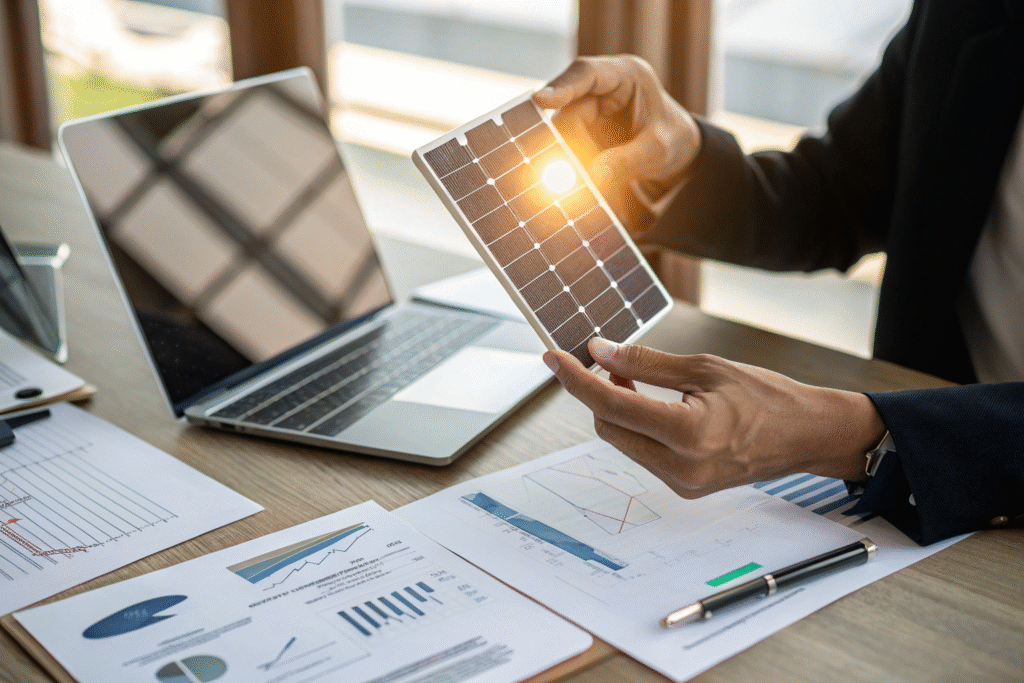
Using precise technical terminology dramatically improves sourcing outcomes for solar-activated products. Effective search terms include "solar-powered hair accessories," "photoluminescent hairpins," "light-up hair clips with solar charging," and "electronic hair accessories manufacturer." Combine these with technical specifications like "solar cell efficiency," "LED luminosity ratings," and "power management systems" to identify manufacturers with authentic technical expertise. Suppliers who comprehend these terms and can provide detailed technical specifications typically possess the required electronic integration capabilities for proper solar hairpin production.
How to Verify Electronic Manufacturing Capabilities?
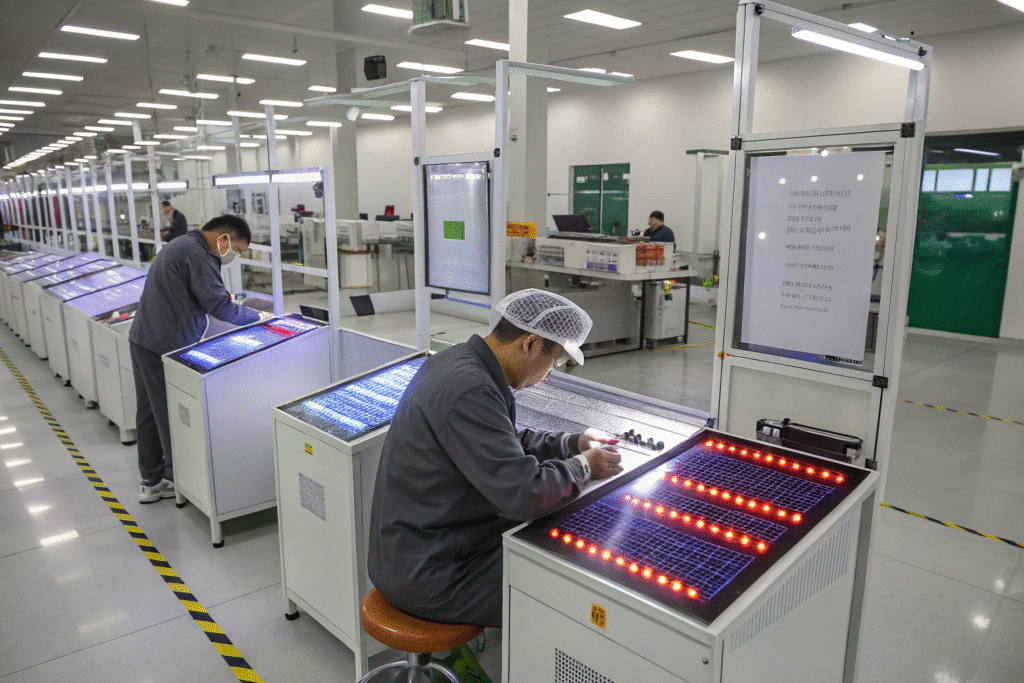
Verifying technical capabilities requires moving beyond standard factory audits. Request comprehensive documentation covering solar component sourcing, detailed LED specifications, and power management system designs. Insist on technical data sheets demonstrating solar charging efficiency, specific glow duration metrics, and component reliability testing results. Reputable manufacturers should provide quality assurance documentation specifically addressing electronic components, including waterproofing validation, charge cycle durability testing, and performance consistency measurements. Virtual factory tours should specifically focus on electronic assembly areas, specialized testing equipment, and quality control procedures for technical components.
What Technical Expertise is Essential for Solar Hairpin Manufacturing?
Solar-activated glow hairpins represent a sophisticated convergence of fashion accessory manufacturing and electronic integration, demanding specialized expertise beyond standard hairpin production. Manufacturers must demonstrate proven capability across both technical and creative domains.
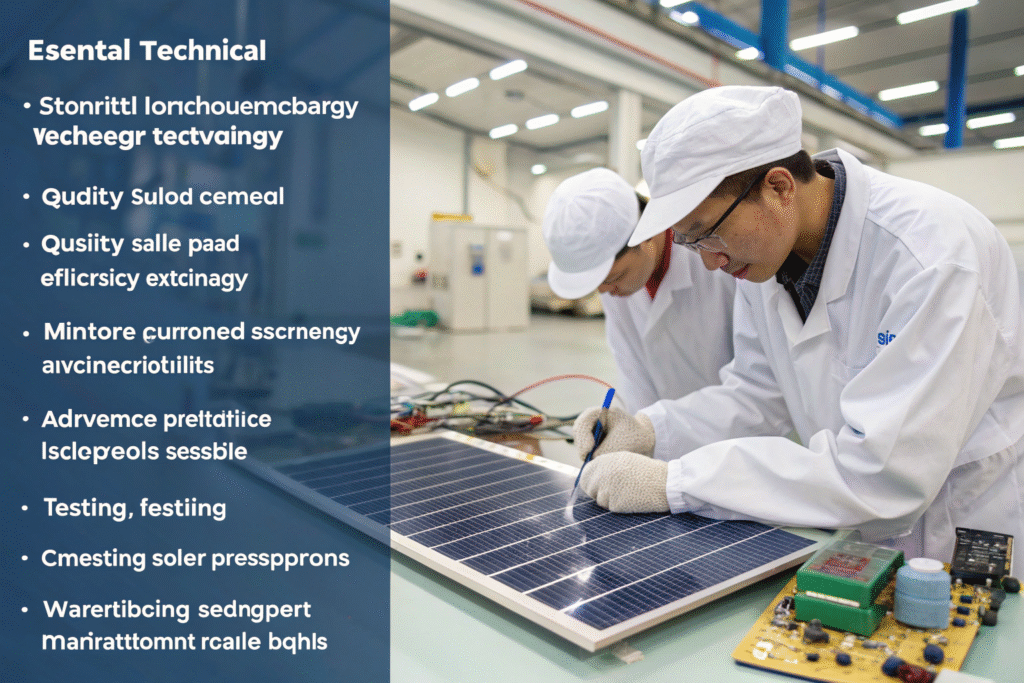
Essential technical expertise encompasses photoluminescent technology integration, quality solar panel sourcing, miniature electronics assembly, advanced waterproofing techniques, and rigorous testing protocols addressing both fashion durability and light performance standards. Manufacturers should deeply understand solar charging efficiency relative to hairpin surface area, appropriate LED selection criteria, and encapsulation methods that protect electronic components while maintaining aesthetic appeal and wearer comfort.
What Electronic Components Expertise is Critical?
Solar-activated hairpins demand expertise across several key electronic domains. Manufacturers must possess knowledge in solar cell selection – strategically balancing efficiency, size constraints, and flexibility requirements. They need substantial experience with micro-LED integration for achieving adequate illumination while maintaining compact, hair-friendly dimensions. Most crucially, they must implement sophisticated power management systems to extend glow duration after charging completion. Question potential manufacturers about their standard operating procedures for moisture protection, as hair accessories regularly encounter humidity, hair products, and environmental elements that can compromise unprotected electronic circuits. Component sourcing relationships also prove vital – manufacturers with established connections to reliable solar cell and LED suppliers typically deliver superior product consistency and performance.
What Quality Standards Apply to Solar Hairpins?
Solar-activated hairpins must satisfy both conventional fashion accessory standards and specific electronic product requirements. Critical quality aspects include:
| Quality Aspect | Testing Methodology | Performance Requirement |
|---|---|---|
| Solar Charging Efficiency | Standardized light exposure testing | Full charge within 2 hours of direct sunlight |
| Glow Duration | Post-charge measurement protocol | Minimum 6-8 hours of consistent glow |
| Water Resistance | Humidity chamber testing | Full functionality maintenance at 80% humidity |
| Product Durability | Accelerated charge cycle testing | 500+ cycles without significant performance degradation |
Manufacturers should also demonstrate compliance with relevant safety certifications for electronic components and appropriate fashion accessory standards for materials and finishes. Comprehensive documentation covering both electronic and fashion components proves essential for regulatory compliance across different international markets.
How to Evaluate Manufacturing Capacity for Technical Hair Accessories?
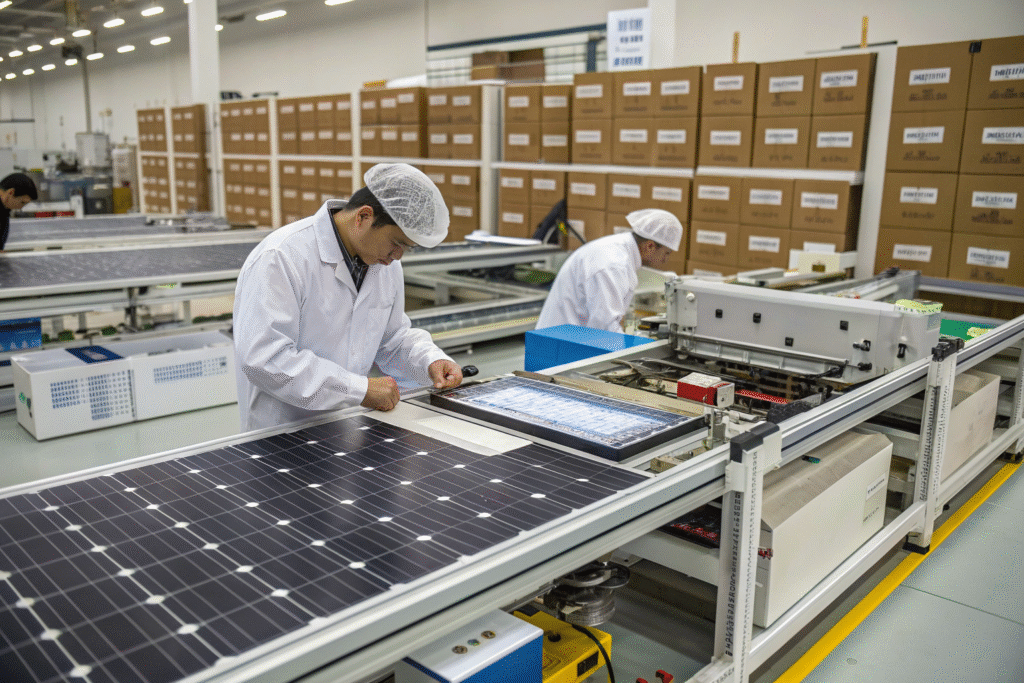
Production capacity assessment for solar-activated hairpins necessitates evaluating both conventional hair accessory manufacturing capabilities and specialized electronic assembly processes. Understanding a manufacturer's true capabilities prevents future fulfillment issues and quality consistency problems.
Proper manufacturing capacity evaluation requires examining production line specialization for electronic integration, supply chain relationships for solar components, technical workforce expertise, and realistic scalability plans for increasing order volumes.The assessment should verify monthly output capacity for similar electronic-integrated accessories, component sourcing reliability, and ongoing technical support capabilities.
What Production Metrics Matter for Electronic Hair Accessories?
Conventional production metrics provide only partial insight for solar hairpin manufacturing. More revealing are specialized metrics including electronic component rejection rates (ideally below 5%), assembly line efficiency for electronics integration, first-pass yield rates for finished products (targeting above 90%), and solar charging consistency across production batches. Additionally, evaluate their supply chain management for electronic components – reliable manufacturers maintain multiple certified suppliers for critical components like solar panels and LEDs to prevent production disruptions. Technical workforce metrics also prove crucial – particularly the percentage of staff specifically trained in electronic assembly and their average experience level with comparable products.
How Scalable is Solar Hairpin Production?
Scalability assessment should concentrate on both internal production flexibility and supply chain responsiveness. Specifically inquire about lead time fluctuations when scaling from prototype to mass production – capable manufacturers should maintain consistent lead times despite order volume changes. Investigate their component inventory management strategies for solar cells and LEDs, as these often experience longer lead times than standard hair accessory materials. Manufacturers with dedicated production planning systems typically manage scaling more effectively and predictably. Also verify their policies regarding capacity reservation for established clients, ensuring your production schedules won't be deprioritized during peak demand periods.
What Cost Factors Specific to Solar Hairpins Should Buyers Understand?
Understanding the distinctive cost structure of solar-activated hairpins enables buyers to make informed decisions and avoid unexpected pricing changes. The final pricing reflects both conventional hairpin manufacturing costs and specialized electronic component expenses.
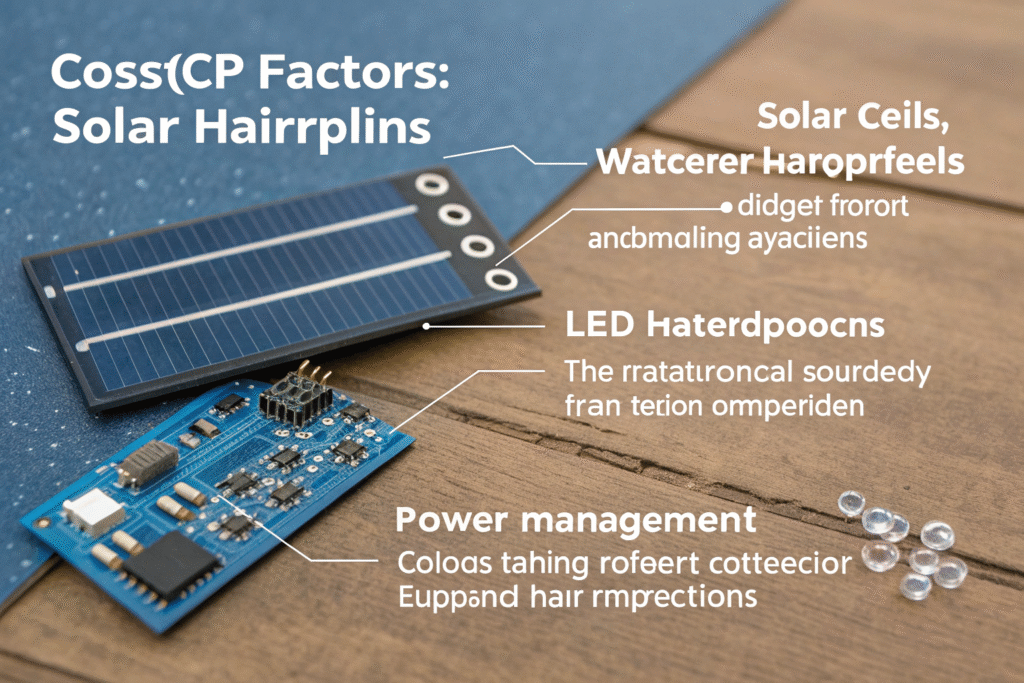
Solar hairpin costs are significantly influenced by solar cell quality and efficiency, LED specifications and luminosity, power management component complexity, specialized waterproofing requirements, and certification expenses for electronic components.Unlike standard hair accessories where materials and labor dominate costs, solar-activated versions typically allocate 40-60% of the total budget to technological components and their specialized integration processes.
Which Electronic Components Drive Cost Variations?
The electronic components typically represent the largest cost variable in solar hairpin production. Solar cells vary considerably in price based on efficiency ratings – high-efficiency cells may cost 30-50% more but require less surface area for equivalent charging performance. Micro-LEDs constitute another major cost factor, with premium options offering superior color consistency and luminosity characteristics. The power management system often represents a significant hidden cost driver – basic resistor-based systems are inexpensive but deliver poor performance, while integrated circuits with intelligent charging optimization increase costs but substantially enhance user experience and product reliability. Manufacturers with strong supplier relationships for electronic components can often mitigate these costs through strategic volume purchasing and long-term partnerships.
How Do Order Quantities Affect Solar Hairpin Pricing?
The relationship between order quantity and unit price follows different patterns for solar hairpins compared to conventional accessories. While standard hairpins demonstrate steady price decreases up to approximately 10,000 units, solar-activated versions experience significant cost reductions at specific threshold points (typically at 1,000, 5,000, and 20,000 units) due to electronic component pricing breaks. The electronic components often carry higher minimum order quantities than standard hair accessory materials, creating distinctive pricing tiers that differ from conventional products. Additionally, customization levels dramatically impact final costs – completely custom solar and LED configurations require substantially higher investment than selecting from established technical specifications and component options.
Conclusion
Finding the right manufacturing partner for solar-activated glow hairpins requires meticulous evaluation of technical capabilities, production capacity for electronic integration, and thorough understanding of the unique cost structures involved. The ideal manufacturer balances expertise across both hair accessory production and electronic integration domains, with robust quality control systems ensuring consistent performance of both functional and aesthetic elements.
If you're seeking a manufacturing partner with demonstrated expertise in solar-activated glow hairpins and other innovative hair accessories, we invite you to contact HairAcc to discuss your specific requirements. With our technical capabilities and experience developing electronic-integrated accessories, we can help transform your innovative hair accessory concepts into market-ready products. Reach out to our Business Director Elaine at elaine@fumaoclothing.com to begin the conversation about your solar hairpin project.