
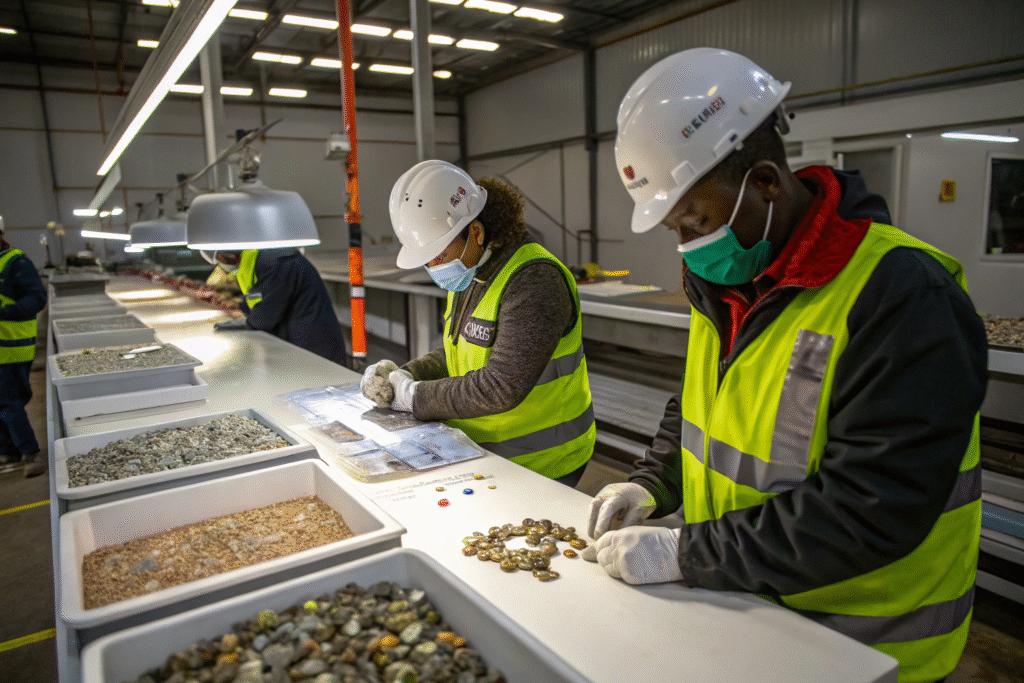
The global demand for ethically sourced gemstones has transformed from a niche concern to a mainstream requirement in the hair jewelry industry. Consumers increasingly seek assurance that the beautiful crystals, pearls, and gemstones adorning their hair accessories weren't obtained through exploitative labor practices or environmental destruction.
Suppliers ensure ethical gemstone sourcing through comprehensive traceability systems, third-party certifications, direct mine relationships, blockchain technology, and rigorous social compliance audits. The most responsible suppliers go beyond basic compliance to implement community development initiatives, environmental rehabilitation programs, and transparent pricing structures that benefit mining communities. These comprehensive approaches address both social responsibility and environmental sustainability throughout the gemstone supply chain.
Understanding the specific mechanisms and verification processes for ethical gemstone sourcing helps brands make informed decisions and communicate their ethical commitments credibly to consumers. Let's examine the specific strategies and verification methods that distinguish truly ethical gemstone suppliers.
What Traceability Systems Verify Gemstone Origins?
Complete supply chain transparency forms the foundation of ethical gemstone sourcing. Advanced traceability systems document every transfer of custody from mine to manufacturer, creating an auditable paper trail that verifies ethical origins.
The most effective traceability approaches combine physical tracking methods with digital documentation to create multiple verification points that prevent fraudulent claims and ensure authenticity.

How Does Blockchain Technology Enhance Traceability?
Immutable transaction records create permanent, unalterable documentation of each gemstone's journey through the supply chain. Smart contract verification automatically validates compliance with ethical standards at each transfer point. QR code integration allows end consumers to access detailed origin information by scanning product tags. Supplier reputation systems track and score participants based on their compliance history and verification reliability.
What Physical Tracking Methods Support Documentation?
Laser inscription technology micro-engraves unique identification numbers directly onto larger gemstones without affecting their appearance or value. Tamper-evident packaging secures gemstones during transportation while providing visible evidence of any unauthorized access. Batch numbering systems group stones from specific mining operations with shared documentation of origin and extraction conditions. Photographic documentation creates visual records of gemstones at each processing stage, matching physical characteristics to documentation.
What Certification Systems Validate Ethical Practices?
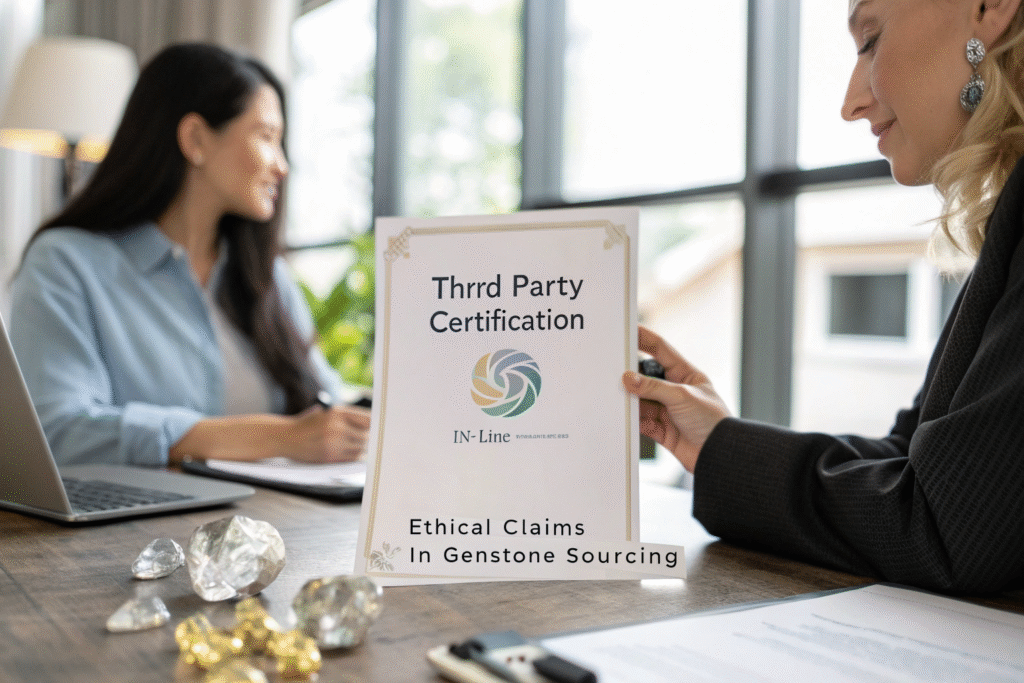
Third-party certification provides objective verification of ethical claims, moving beyond self-reported standards to independently validated compliance. The most respected certification systems address both social and environmental aspects of gemstone sourcing.
Understanding different certification frameworks helps suppliers select the most appropriate verification for their specific gemstone types and market positioning.
Which International Standards Apply to Gemstone Sourcing?
The Responsible Jewellery Council (RJC) certification covers human rights, labor rights, environmental impact, and product disclosure throughout the jewelry supply chain. Fairtrade Gold and Associated Precious Metals standards ensure fair prices, safe working conditions, and environmental protection in artisanal and small-scale mining. Alliance for Responsible Mining (ARM) certification focuses specifically on artisanal and small-scale mining operations, addressing their unique challenges and opportunities. Kimberley Process Certification Scheme specifically addresses conflict diamonds but has inspired similar approaches for other gemstones.
What Supplemental Verification Methods Enhance Credibility?
Independent social audits conducted by recognized organizations verify working conditions, fair wages, and community impacts at mining sites. Environmental impact assessments document and mitigate ecological consequences of mining operations, including water usage, habitat disruption, and chemical management. Community development verification ensures that mining operations contribute positively to local infrastructure, education, and healthcare. Transparency reports publicly share sourcing practices, pricing structures, and improvement initiatives without requiring full certification.
How Do Direct Sourcing Relationships Support Ethics?
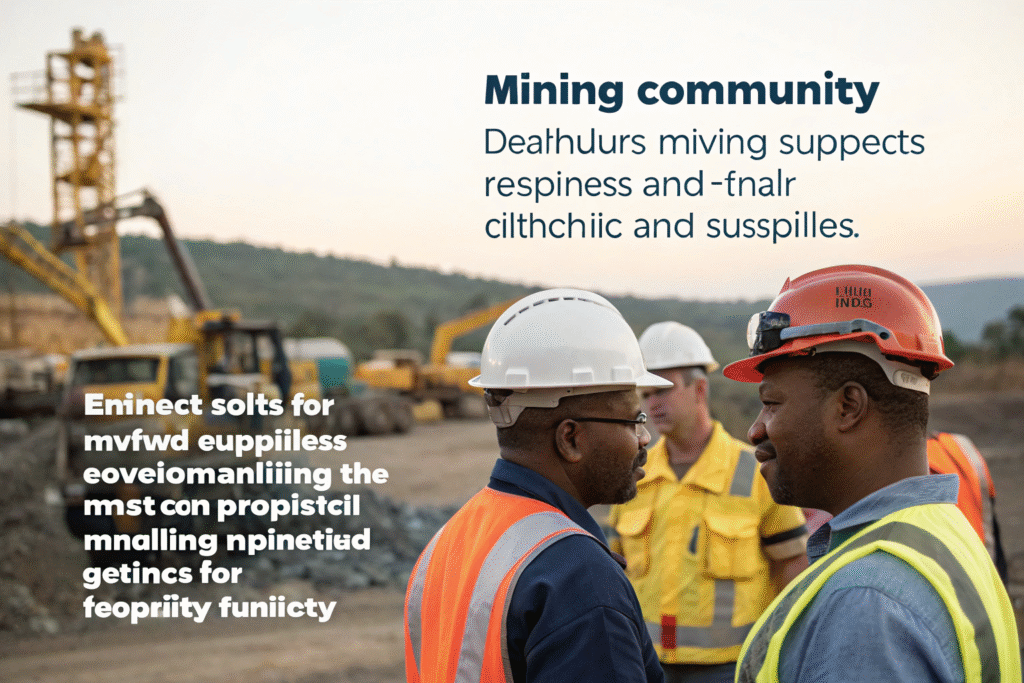
Establishing direct relationships with mining communities eliminates intermediate layers where ethical violations often occur while ensuring more of the financial value reaches the actual producers.
The most ethical suppliers develop long-term partnerships with mining communities based on mutual respect, fair pricing, and shared development goals.
What Elements Define Ethical Direct Trade Relationships?
Fair price premiums ensure miners receive prices that support dignified livelihoods, safe working conditions, and community development. Long-term contracts provide mining communities with financial stability and the ability to plan for sustainable development. Community-led initiatives allow mining communities to direct a portion of premiums toward self-identified priorities like education, healthcare, or infrastructure. Cultural respect preserves traditional mining knowledge and techniques while integrating modern safety and environmental protections.
How Can Suppliers Verify Direct Trade Claims?
Regular site visits allow suppliers to personally observe working conditions, environmental practices, and community relationships. Community testimonials and worker interviews provide firsthand accounts of mining conditions and the impacts of trading relationships. Financial transparency demonstrates how much of the final product price actually reaches mining communities and workers. Partnership agreements publicly document commitments to fair pricing, community development, and environmental responsibility.
What Environmental Protections Safeguard Mining Areas?
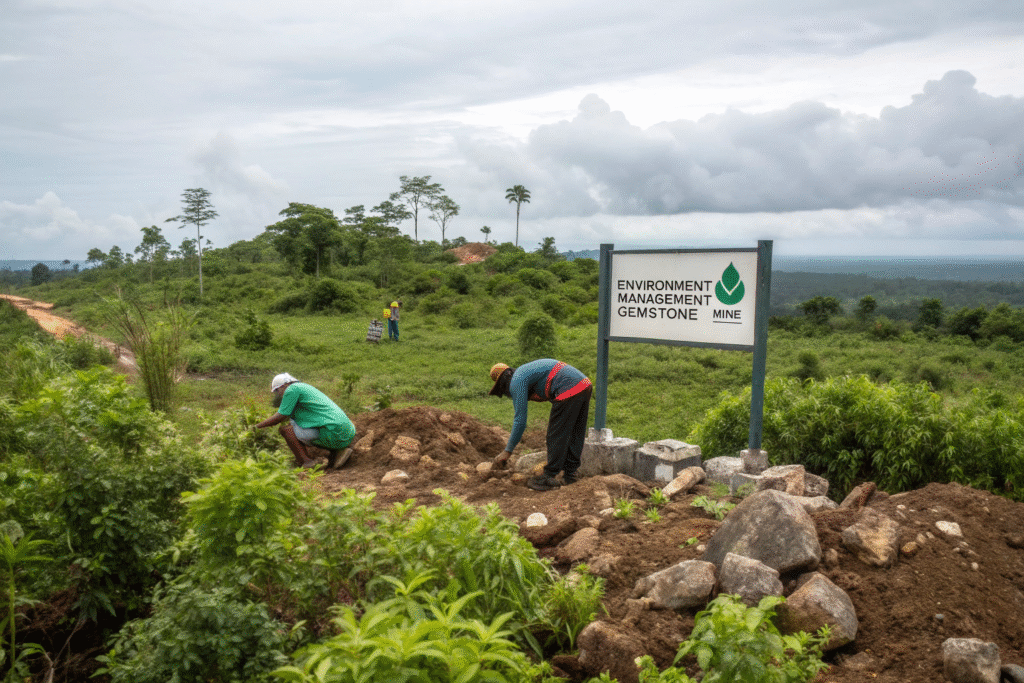
Ethical gemstone sourcing extends beyond social responsibility to include environmental stewardship that minimizes ecological damage and promotes rehabilitation of mining areas.
The most responsible suppliers implement comprehensive environmental management systems that address the full lifecycle impacts of gemstone extraction and processing.
How Do Rehabilitation Programs Address Mining Impacts?
Progressive rehabilitation conducts restoration simultaneously with mining operations rather than waiting until mining concludes. Native species reclamation uses indigenous plants to restore ecosystems and prevent invasive species establishment. Water management systems treat contaminated water and restore natural hydrological patterns disrupted by mining. Long-term monitoring tracks ecosystem recovery for years after mining ceases to ensure successful rehabilitation.
What Mining Techniques Minimize Environmental Damage?
Low-impact extraction methods reduce habitat destruction, soil erosion, and water contamination compared to conventional approaches. Chemical-free processing avoids toxic substances like mercury and cyanide that traditionally plague gemstone mining. Water recycling systems dramatically reduce freshwater consumption and prevent contaminated water from entering local watersheds. Energy efficiency measures minimize the carbon footprint of mining and processing operations.
How Can Brands Verify Supplier Ethical Claims?
Simply accepting supplier assertions of ethical practices is insufficient for brands truly committed to responsible sourcing. Robust verification processes help distinguish genuine ethical commitments from marketing rhetoric.
The most diligent brands implement multi-layered verification systems that combine documentation review, independent assessment, and direct observation.

What Documentation Should Brands Require from Suppliers?
Supply chain mapping documents illustrate each step from mine to finished product with identified participants at each stage. Audit reports from recognized third-party verifiers provide independent assessment of working conditions, environmental practices, and community impacts. Purchase records and pricing documentation demonstrate fair compensation throughout the supply chain, particularly at the mining level. Environmental management plans detail specific measures to minimize and mitigate ecological impacts.
How Can On-Site Verification Strengthen Ethical Assurance?
Unannounced inspections prevent suppliers from staging conditions specifically for scheduled visits. Worker interviews conducted privately and without management presence provide candid insights into actual working conditions. Community engagement assesses the broader social impacts of mining operations beyond direct employment. Environmental sampling tests soil, water, and air quality to verify compliance with environmental standards.
Conclusion
Ensuring ethical gemstone sourcing for hair jewelry requires a comprehensive, multi-faceted approach that addresses traceability, certification, direct relationships, environmental protection, and rigorous verification. The most responsible suppliers go beyond minimum requirements to implement programs that genuinely improve conditions for mining communities while minimizing environmental impacts.
By developing transparent, verifiable ethical sourcing systems, suppliers can meet growing consumer demand for responsibly produced hair jewelry while contributing to positive transformation in the gemstone industry. This commitment to ethics represents both a moral imperative and a competitive advantage in an increasingly conscious marketplace.
If you're seeking a hair jewelry supplier with verifiable ethical gemstone sourcing practices, we have implemented comprehensive traceability and certification systems for all our gemstone materials. Contact our Business Director, Elaine, at elaine@fumaoclothing.com to discuss your ethical sourcing requirements and review our certification documentation. We're committed to creating beautiful hair jewelry that respects both people and the planet.