
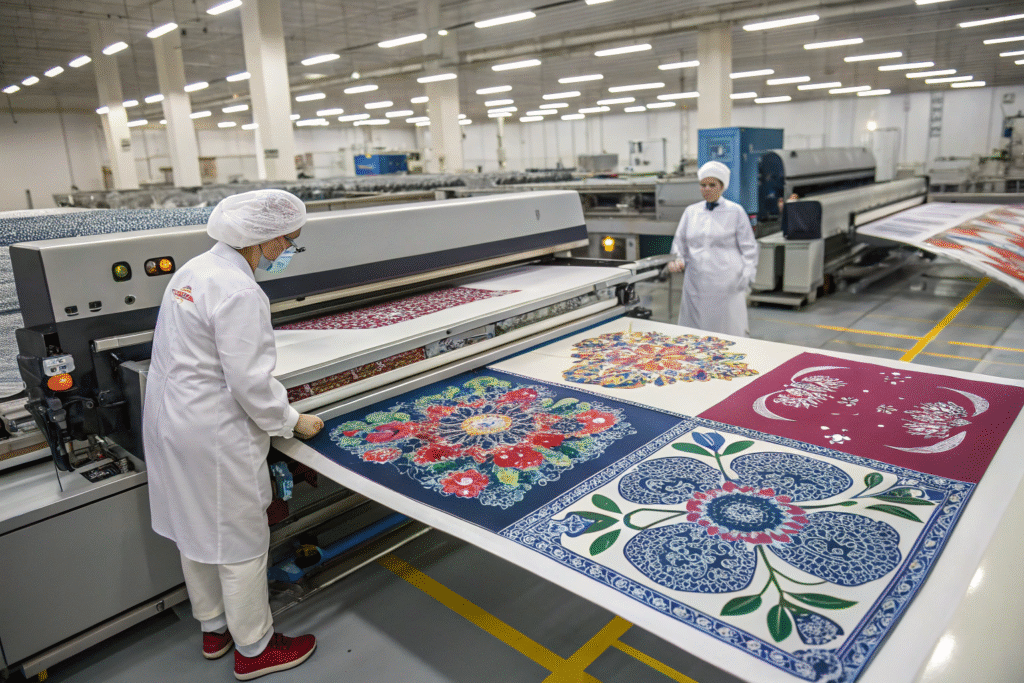
Finding reliable suppliers for wholesale bandanas with anti-fade digital printing can be challenging. You want vibrant patterns that last through multiple washes, but many suppliers struggle with color consistency and durability. The market is flooded with options, but quality varies dramatically between manufacturers.
The best sources for wholesale anti-fade digital printed bandanas are specialized textile manufacturers in China, Pakistan, and India with proven digital printing expertise, certified dyeing facilities, and established export experience. These regions offer the optimal balance of quality craftsmanship, advanced printing technology, and competitive pricing. Key sourcing channels include B2B platforms like Alibaba, textile trade shows, and direct manufacturer relationships developed through careful vetting processes.
Understanding where to look and what to verify ensures you partner with suppliers capable of delivering bandanas that maintain their visual appeal through extended use and washing. Let's examine the most effective sourcing strategies and qualification criteria.
Which Manufacturing Regions Excel in Anti-Fade Digital Printing?
Not all manufacturing regions offer the same level of expertise in digital printing technology and colorfast treatments. Choosing the right geographic source significantly impacts your product quality, cost efficiency, and supply chain reliability.
Major textile-producing regions have developed specialized capabilities in digital printing, but their approaches to anti-fade technology differ substantially. The best regions combine traditional textile expertise with investments in modern printing technology and chemical treatments that enhance color durability across multiple wash cycles.
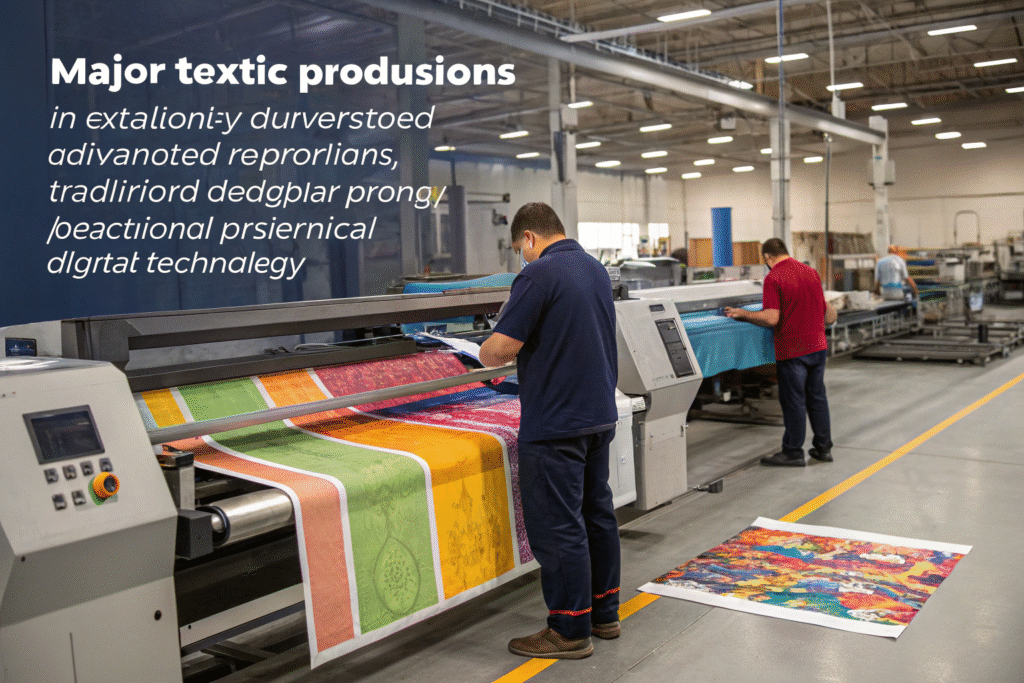
Why Consider Chinese Manufacturers for Digital Printed Bandanas?
Chinese manufacturers lead in digital printing technology adoption, offering sophisticated anti-fade treatments through advanced dye fixation processes. Regions like Zhejiang and Guangdong specialize in digital textile printing with minimum order quantities starting at 500-1,000 pieces per design. Chinese factories typically offer the fastest production times (3-4 weeks) and most flexible customization options, from fabric composition to packaging. Their expertise in pigment ink systems and UV protection treatments ensures superior color retention compared to conventional printing methods.
What Advantages Do Pakistani and Indian Textile Hubs Offer?
Pakistan's textile industry, particularly in Karachi and Lahore, provides exceptional value for high-volume orders with excellent colorfastness treatments. Indian manufacturers from Tiruppur and Mumbai offer creative design capabilities and expertise in natural fiber digital printing. Both regions provide cost advantages for orders exceeding 5,000 pieces and specialize in cotton bandanas with pre-treatment processes that enhance ink absorption and durability. Their traditional textile heritage combines with modern printing facilities to deliver products balancing quality and affordability.
How to Identify Qualified Anti-Fade Digital Printing Suppliers?
Simply finding bandana manufacturers isn't enough—you need partners with proven expertise in anti-fade digital printing specifically. The qualification process requires careful evaluation of technical capabilities, quality control systems, and material expertise.
Verifying a supplier's digital printing credentials involves assessing their equipment, chemical treatments, and testing protocols. The right partner should transparently share their colorfastness testing results, washing durability data, and technical specifications for their printing and finishing processes.
What Technical Capabilities Should You Verify?
Ensure suppliers use industrial-grade digital printers from reputable brands like Kornit, MS, or Epson specifically designed for textile applications. Verify they employ fixation processes (steaming or heating) that bond pigments to fabric fibers at molecular level, significantly reducing color bleeding and fading. Request documentation of their color management systems and ICC profiling capabilities that ensure design accuracy across production runs. Confirm they use UV-protective coatings or specialized finishing treatments that shield printed areas from sunlight degradation.
How to Assess Quality Control and Testing Protocols?
Reputable manufacturers conduct standardized wash tests (AATCC or ISO standards) measuring colorfastness after multiple wash cycles—look for suppliers who guarantee color retention through 20+ washes. Verify they perform crocking (rub) tests to ensure prints don't transfer color during normal use. Request documentation of their lightfastness testing, particularly important for bandanas used outdoors. Ensure they maintain consistent humidity and temperature controls in production areas, as environmental factors significantly impact print quality and durability.
What Sourcing Channels Offer the Best Supplier Access?
Your approach to finding bandana suppliers should combine digital platforms with traditional networking to build a diverse supplier base. Each sourcing channel offers distinct advantages for different business needs and order volumes.
Effective sourcing utilizes multiple channels simultaneously, from online B2B marketplaces to industry-specific events and professional sourcing agents. Understanding the strengths and limitations of each channel helps you allocate your time and resources efficiently.

How Effective Are B2B Platforms for Finding Bandana Specialists?
Alibaba and Global Sources provide extensive supplier databases with filtering options for digital printing capabilities and anti-fade treatments. These platforms work best when using specific search terms like "digital printed bandanas," "colorfast bandanas," or "sublimation printed bandanas" and verifying supplier credentials through transaction records and third-party certifications. Look for "Gold Suppliers" with verified production videos and onsite check reports specifically mentioning digital printing equipment. Always request physical samples before proceeding with larger orders, testing them yourself for colorfastness.
Are Textile Trade Shows Worth Attending for Bandana Sourcing?
Major textile exhibitions like Intertextile Shanghai, Heimtextil, and PGA Trade Show offer unparalleled access to specialized bandana printers and opportunity to assess print quality firsthand. Trade shows allow you to meet technical experts who can explain their anti-fade processes and provide immediate answers to specific printing challenges. The personal relationships built at these events often lead to better communication, priority production slots, and more flexible terms than purely online relationships. Many manufacturers introduce new printing technologies and treatments at these exhibitions before listing them online.
What Factors Impact Pricing and MOQs for Anti-Fade Bandanas?
Understanding the cost structure of digitally printed bandanas helps you evaluate quotes accurately and negotiate favorable terms. Pricing reflects multiple variables beyond simple per-piece calculations, with anti-fade treatments adding specific cost components.
Bandana pricing depends on fabric quality, design complexity, order quantity, and specialized finishing treatments. Anti-fade digital printing typically carries a 15-30% premium over conventional printing methods, justified by superior ink systems, specialized pretreatment, and additional fixation processes.
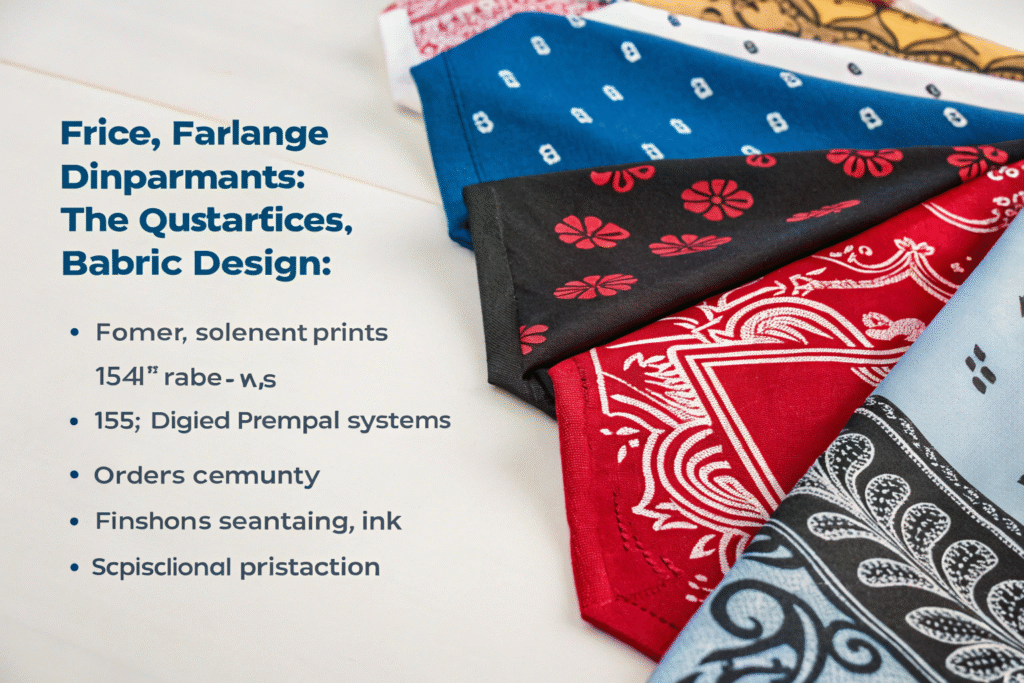
How Does Design Complexity Affect Production Costs?
Multi-color designs requiring precise registration and color separation increase printing time and ink consumption, impacting per-unit costs. Large coverage designs using more ink than smaller patterns typically cost 10-25% more depending on ink coverage percentage. Complex designs requiring specialized color matching or custom palette development incur additional setup fees ranging from $50-200 per design. Gradient effects and photographic imagery demand higher printer resolution settings and more meticulous quality control, adding to production time and cost.
What MOQ Structures Can You Expect?
Basic stock designs with standard printing typically start at 500-1,000 pieces per design, while custom designs usually require 1,000-3,000 piece minimums. Many manufacturers offer assortment orders allowing multiple designs with smaller quantities per design (200-500 pieces) to reach overall order minimums. Fabric sourcing affects MOQs—common cotton fabrics have lower minimums than specialty blends or organic materials. Seasonal timing influences flexibility, with manufacturers often accepting lower MOQs during traditionally slower production periods.
Conclusion
Sourcing wholesale bandanas with anti-fade digital printing requires targeted supplier identification, thorough capability verification, and understanding of technical printing processes. The best partners combine advanced digital printing technology with proven color fixation treatments and rigorous quality control systems.
By focusing on manufacturers with specific expertise in digital textile printing and anti-fade treatments, you ensure your bandanas maintain their visual appeal through extended use and washing. The right supplier becomes a valuable partner in delivering products that exceed customer expectations for both design and durability.
If you're looking for a reliable manufacturer of anti-fade digitally printed bandanas with flexible MOQs and proven colorfastness, we specialize in advanced digital printing technologies. Contact our Business Director, Elaine, at elaine@fumaoclothing.com to discuss your specific requirements and request samples of our anti-fade bandanas. We offer comprehensive printing solutions from design to delivery with guaranteed color durability.