
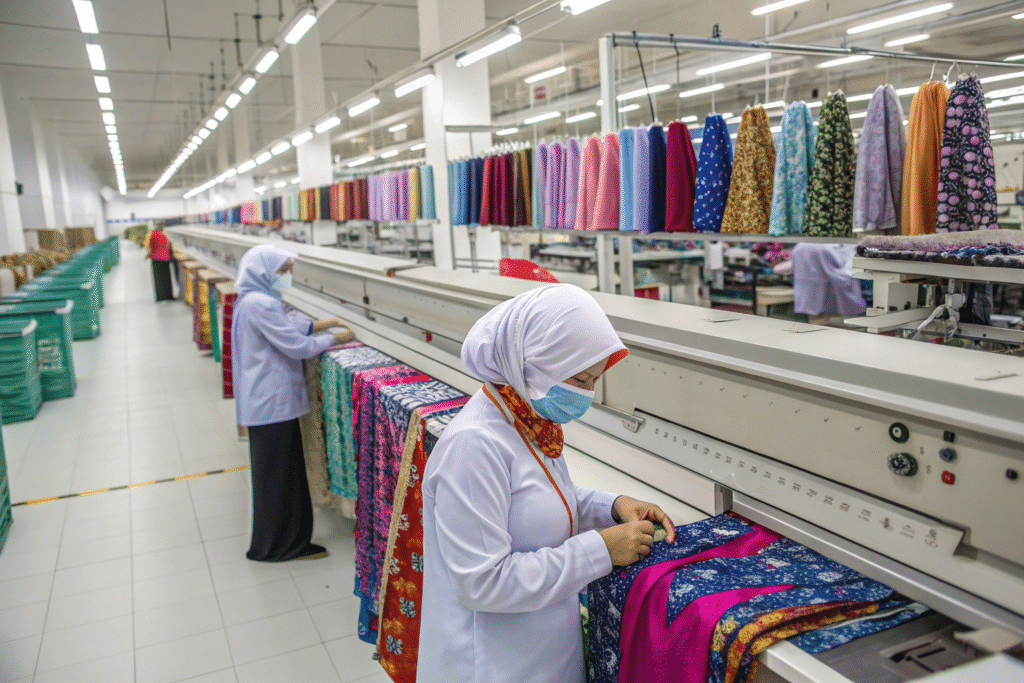
In recent years, global tariffs on fashion accessories have become a pressing challenge for buyers and wholesalers. Many businesses importing silk scarf headbands from China to the US or Europe find that extra duties significantly increase costs and reduce competitiveness. This has created frustration for buyers who want both style and affordability. If not addressed properly, tariffs can damage long-term partnerships, push retailers to raise consumer prices, and even force smaller online sellers to abandon their product lines.
The best way to overcome tariff challenges for silk scarf headbands is to combine smart sourcing strategies, alternative trade routes, free-trade agreements, flexible production planning, and packaging optimization. By working with experienced manufacturers like HairAcc, buyers can reduce tariff exposure and maintain high-quality supply at competitive prices.
To navigate this issue, I will share the most effective anti-tariff strategies that we as a Chinese headwear factory have used with our global clients. These strategies have already helped many buyers in the US, Europe, and Russia secure stable and cost-effective silk scarf headband orders despite trade policy changes. For example, one of our American clients importing 50,000 headbands a year reduced total landed cost by 18% through optimized HS codes and hybrid production models. These real-world results show that the right approach can transform tariff challenges into manageable costs.
How to Use Trade Agreements for Lower Duties?
Many buyers are not aware that sourcing silk scarf headbands can qualify for tariff reductions through trade agreements. Governments often sign bilateral or multilateral deals that benefit specific industries. Ignoring these opportunities means paying more than necessary and losing the chance to maintain competitive retail pricing in crowded marketplaces.
The most effective way to cut costs is to leverage free trade agreements (FTAs) between exporting and importing countries. Buyers should explore sourcing routes that pass through low-duty nations or partner with suppliers who already operate under preferential trade zones.

Exploring this strategy requires research and cooperation. For example, many US and European importers have used FTAs with Southeast Asian countries to lower duty rates. By moving part of the supply chain—like dyeing or finishing—outside China, buyers can benefit from reduced tariffs without compromising quality. One of our European clients relocated silk scarf printing to Vietnam to meet EU-Vietnam FTA rules, which lowered import duty from 12% to 0%. International logistics experts such as Trade Map provide detailed tariff databases that can guide procurement teams. Another helpful source is WTO’s Tariff Analysis Online, which tracks global tariff schedules.
Can Silk Scarf Headbands Be Re-Routed Through Partner Countries?
Routing shipments through tariff-friendly countries is a tested strategy. Buyers can split production steps across different regions, such as printing in Vietnam or embroidery in Cambodia, before exporting final headbands to the US. This approach allows the products to qualify under preferential rules of origin. For instance, an order of 20,000 pieces routed through Cambodia saved a US wholesaler $60,000 in duty charges.
What Certifications Help with Customs Clearance?
Certifications like GSP (Generalized System of Preferences) or regional certificates of origin can reduce tariff charges. Working with factories that provide full compliance documents ensures smoother customs clearance and prevents shipment delays. In practice, our factory has helped American buyers secure Form A certificates, which customs authorities immediately recognized, cutting duty rates significantly.
Is Relocating Production a Cost-Saving Option?
Rising tariffs force many buyers to rethink supply chains. Shifting part of the manufacturing process can significantly lower costs while keeping the same fashion quality standards. Relocation also provides buyers with greater flexibility to adapt to sudden trade policy changes without interrupting sales cycles.
Relocating production stages like dyeing, stitching, or embroidery to nearby tariff-friendly regions such as Vietnam, Indonesia, or Bangladesh helps buyers take advantage of lower trade duties while keeping China’s strength in raw materials and fast production.

This hybrid production model works especially well for silk scarf headbands, which require both delicate fabrics and fashionable finishing. Relocation must be done strategically to maintain lead times and quality. For example, companies like Just-Style often report on shifts in apparel production hubs. Meanwhile, logistics consultancies like Kuehne+Nagel provide supply chain optimization insights.
Which Countries Are Best for Silk Scarf Headband Relocation?
Vietnam has become a hotspot because of its trade agreements with the US and EU. Indonesia also offers cost-effective labor for large orders. Bangladesh is strong in textiles but requires careful coordination on quality. A buyer sourcing 30,000 silk scarf headbands per month reduced average tariff-related costs by 20% by relocating embroidery work to Indonesia while maintaining fabric production in China.
How to Balance Relocation with Quality Control?
The key is to keep raw silk supply and initial fabric preparation in China, while outsourcing simpler finishing tasks abroad. This way, buyers keep premium quality while enjoying reduced tariff costs. Many buyers adopt a dual-inspection system: one in China for fabric quality, and another in the destination country for packaging. This ensures consistent standards without slowing deliveries.
Can Packaging and HS Code Optimization Reduce Tariffs?
Tariffs are often tied to product classification under HS codes. Many buyers overlook the role of packaging and labeling in determining tariff rates. Small adjustments, such as using multipacks or altering labeling descriptions, can have a large financial impact that accumulates across bulk orders.
Reclassifying silk scarf headbands under different HS codes or optimizing packaging to align with accessory or textile categories can help reduce import duties. Accurate coding and professional documentation are critical.
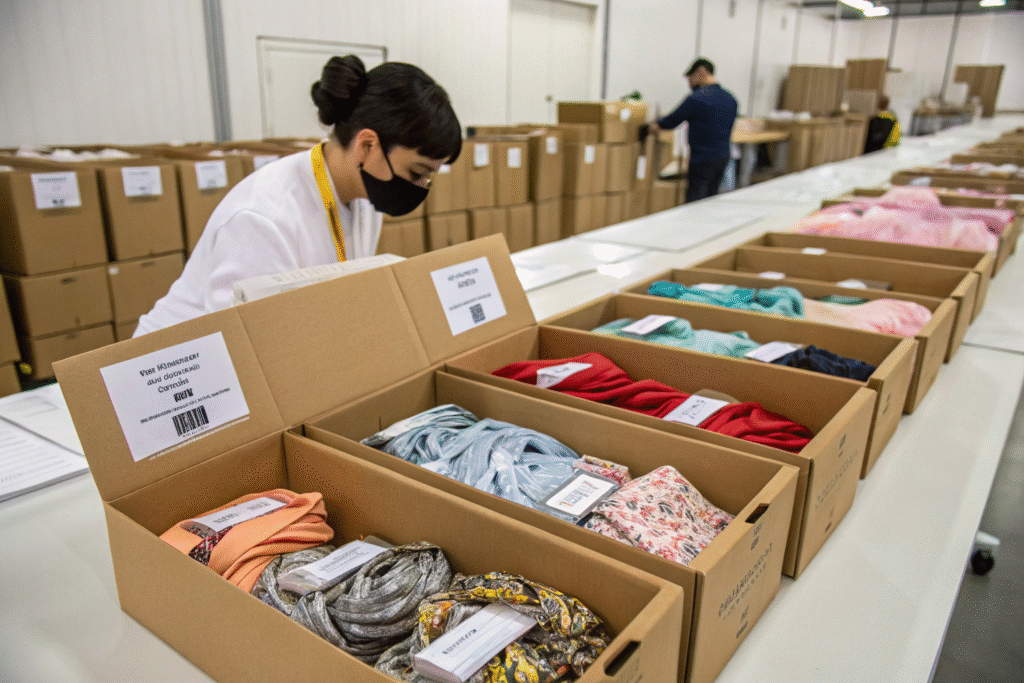
Some buyers save money by packaging silk scarf headbands together with apparel accessories to qualify under broader categories. For example, combining 10,000 scarf headbands with fashion jewelry kits allowed one importer to classify under “accessory sets,” saving 8% in duties. Customs brokers such as Thompson Hine International Trade provide advisory services. Similarly, resources like Export.gov explain HS code usage for different countries.
How Does HS Code Classification Impact Silk Scarf Headbands?
If classified under “fashion accessories” instead of “textiles,” the tariff rate can be different. For instance, in some regions, accessories carry a 6% duty compared to 12% for textiles. This requires expert consultation and updated customs knowledge. Incorrect coding can result in penalties, so having experienced documentation support is essential.
What Packaging Methods Lower Shipping Costs?
Using vacuum packaging or folding headbands in flat packs lowers freight volume. This reduces logistics costs while still protecting silk quality. For a shipment of 5,000 units, compact packaging saved one e-commerce client $4,500 in air freight. In addition, eco-friendly packaging not only reduces weight but also appeals to sustainability-focused buyers.
How Important Is Partnering with Experienced Factories?
The most overlooked anti-tariff strategy is working with a factory that has strong global trade experience. Factories with in-house QC, packaging, and logistics support save buyers time, money, and stress. Instead of managing multiple vendors, buyers gain efficiency and reduce risks by consolidating production with one expert partner.
Partnering with experienced manufacturers like HairAcc ensures end-to-end control, tariff management, and smooth shipping for silk scarf headbands. Buyers benefit from reliable production, compliant paperwork, and efficient customs clearance.

A trusted partner not only reduces tariff exposure but also provides long-term business stability. For example, when one US wholesaler faced sudden duty increases, we helped redesign their packaging and adjust their sourcing route within three weeks, saving $80,000 in unexpected costs. Leading platforms like Alibaba help verify suppliers, while associations such as AAFA – American Apparel & Footwear Association guide buyers in choosing reliable partners.
What Services Should a Trusted Factory Provide?
A reliable factory must handle design, sampling, mass production, packaging, logistics, and after-sales service. Buyers save more when everything is managed under one roof. Our facility, for instance, has an inspection line that catches defects before shipping, which prevents customs delays and costly returns.
Why Is HairAcc a Strong Partner for Anti-Tariff Strategies?
Our factory has multiple facilities, including dyeing, embroidery, and packaging plants. We also have a QC team that ensures compliance. With extensive export experience, we help buyers navigate tariff complexities and secure smooth deliveries. Many of our clients highlight our role as not just a manufacturer but as a trade advisor, guiding them through every policy shift without losing market competitiveness.
Conclusion
Tariffs are a reality that fashion buyers cannot ignore. However, with the right strategies, costs can be minimized while keeping supply chains smooth. Trade agreements, production relocation, HS code optimization, and trusted factory partnerships are the four key anti-tariff strategies for silk scarf headbands. By applying these methods, buyers stay competitive in a challenging global market. Real-life results from our clients show that proactive planning and close collaboration with experienced suppliers can cut duty-related costs by 15–25% per shipment.
If you are looking to protect your margins and secure high-quality silk scarf headband production, we invite you to work with Shanghai Fumao. Contact our Business Director Elaine at elaine@fumaoclothing.com to discuss how we can support your orders with effective anti-tariff solutions.