
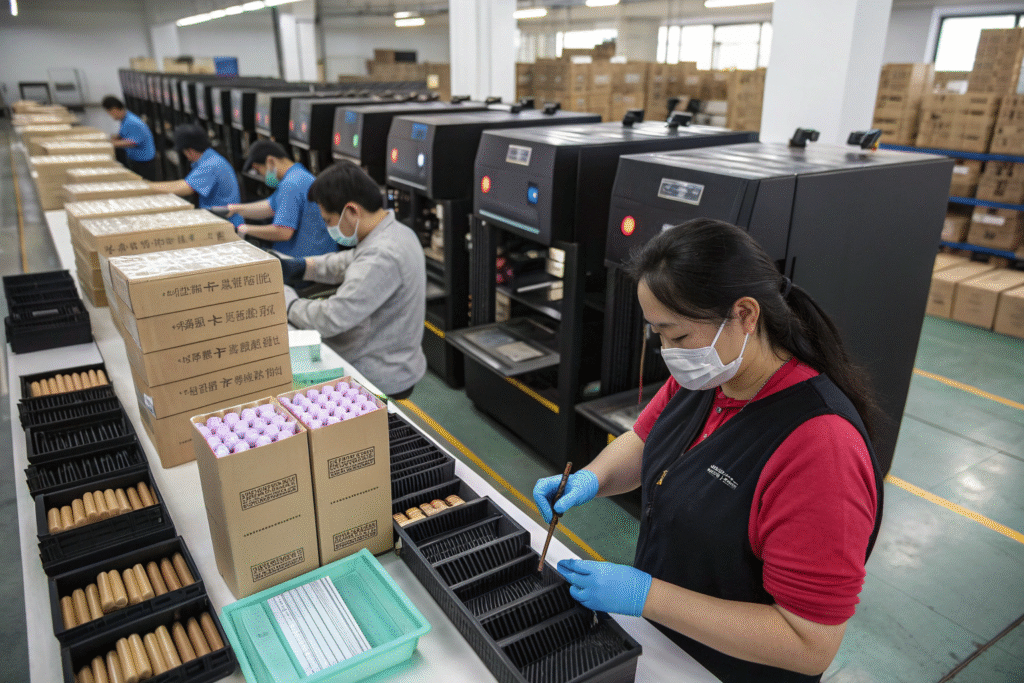
When buyers search for new suppliers, they often face a dilemma: they need innovative and customizable products, but large minimum order quantities (MOQ) can limit flexibility and create inventory pressure. For hair accessories, especially hair sticks, combining low-MOQ sourcing with 3D printing customization is becoming a smart strategy. Many global buyers want unique designs to stand out in competitive markets without committing to massive stock. Some American boutique owners, for example, have reported that stocking just 50 to 100 units of a customized accessory is often enough to test market interest before deciding on a larger order.
The good news is that Chinese manufacturers like HairAcc already integrate traditional craftsmanship with modern 3D printing technology. This means you can order small batches, develop custom prototypes, and scale production smoothly when your product proves successful. In practice, several European brands have successfully launched limited-edition hair sticks in sets of 200–300 pieces, benefiting from both creative flexibility and lower upfront costs. This article will guide you to understand where and how to source low-MOQ hair sticks with 3D printing capabilities.
In this post, I will explain the market opportunities, sourcing channels, benefits of 3D printing, and practical tips for international buyers. If you are a retailer, entrepreneur, or procurement manager looking for flexibility and creativity, this guide is for you.
Why Choose Low-MOQ Hair Stick Suppliers?
Many international buyers ask themselves whether they should work with suppliers who demand large minimums or seek out flexible manufacturers. The pressure of overstock and market uncertainty makes low-MOQ solutions more attractive. But how do you know which supplier is the right fit?
Low-MOQ suppliers allow businesses to test designs, explore seasonal collections, and enter markets without the heavy financial burden of large commitments. By sourcing from manufacturers that support smaller runs, buyers gain freedom and reduce risks, especially when exploring new trends like 3D printed accessories. For example, an American online store selling handmade-inspired accessories recently tested 150 pieces of 3D-printed hair sticks, which sold out within three weeks, validating the design before scaling up.
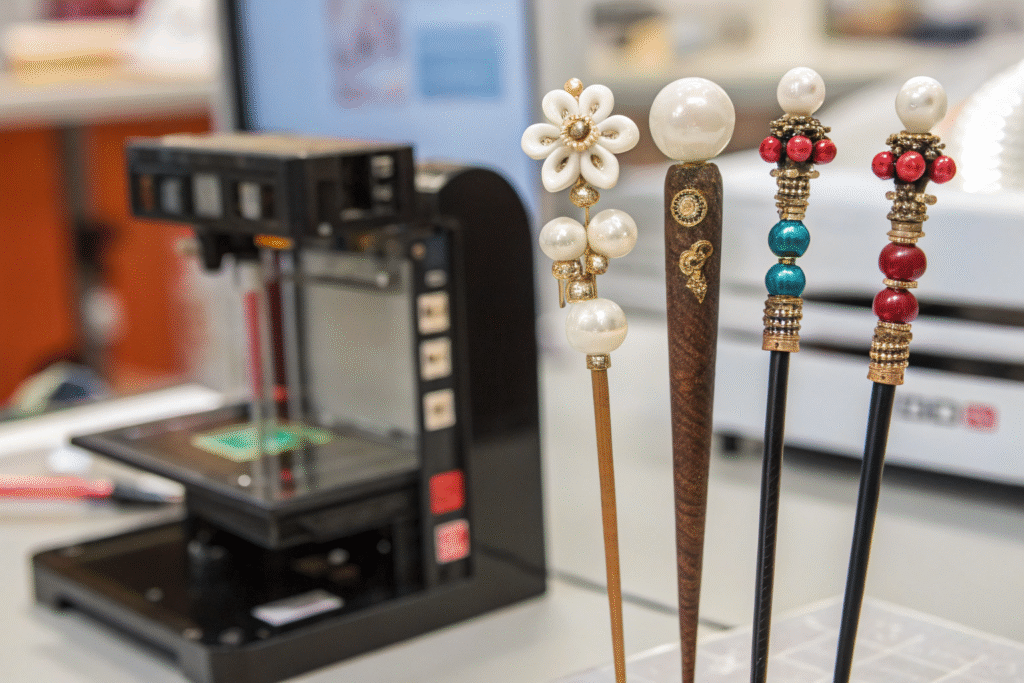
Low-MOQ sourcing also reflects a shift in the global supply chain: buyers want speed, adaptability, and the chance to experiment with new materials. This flexibility aligns perfectly with 3D printing technology, where designs can be updated rapidly. The combination empowers brands to stay ahead of trends while maintaining budget control.
What are the main benefits of low-MOQ sourcing?
Small batch orders offer several clear advantages. First, they lower upfront investment, which is crucial for startups and online stores. Second, they provide flexibility to test products in real markets before scaling. Third, they help avoid deadstock, which is common in the fashion accessories industry. Platforms like Alibaba and sourcing fairs show that more suppliers are adapting to this demand. Additionally, specialized partners like Global Sources highlight factories that openly advertise their low MOQ services. According to industry data, over 60% of international accessory buyers now prefer suppliers who can accommodate orders of fewer than 500 units.
How do low-MOQ suppliers maintain quality?
Some buyers assume that small quantities equal lower quality, but that is not always true. Established factories with modern equipment can handle both large and small orders with consistent quality. Many invest in professional quality control systems and certification processes to meet international standards. For example, HairAcc integrates strict inspections from raw material sourcing to packaging. The use of 3D printing in prototyping further ensures precision, reducing the margin for error. A case study from a German accessories distributor showed that their trial run of 200 resin hair sticks passed inspection at a 98% quality rate, equivalent to the brand’s larger orders.
How Does 3D Printing Enhance Hair Stick Production?
Traditional hair stick production relies on carving, molding, or casting methods. While these are reliable, they can be slow when trends shift quickly. This is where 3D printing plays a major role in transforming the hair accessories industry.
3D printing allows manufacturers to create custom molds, prototypes, and even final products at a much faster pace. Buyers can experiment with shapes, motifs, and materials without investing in expensive tooling. This is especially important for low-MOQ orders, where efficiency and speed are critical. A mid-sized Russian distributor once reduced their development time from 45 days to just 12 days by adopting 3D-printed prototypes.
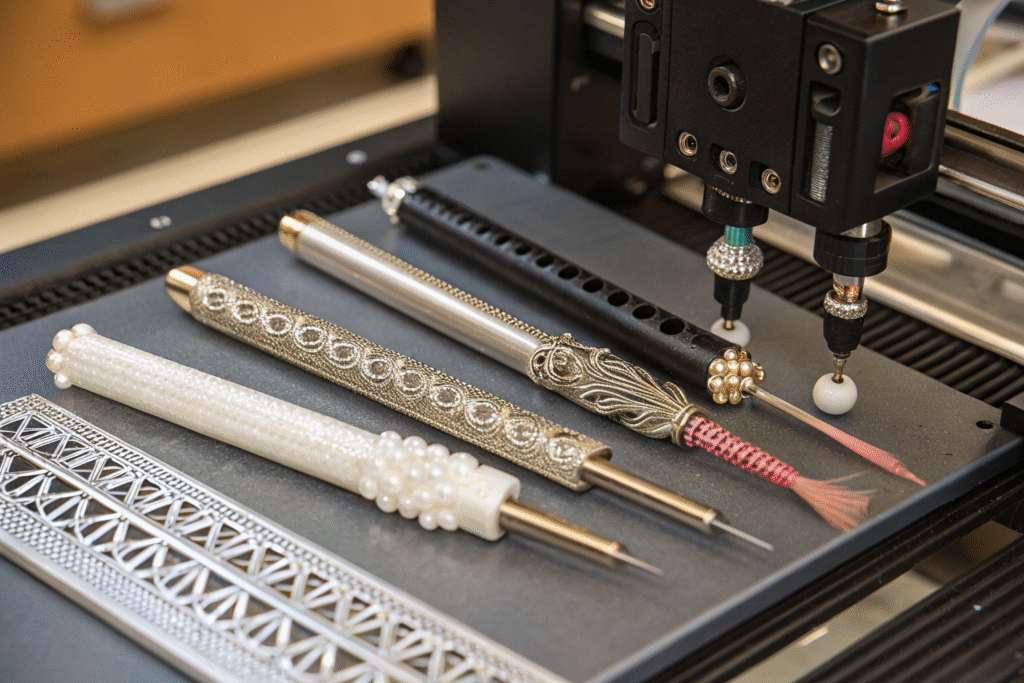
3D printing also enables design personalization, such as engraving brand logos or creating intricate patterns that traditional manufacturing may struggle to replicate. It shortens development cycles, giving buyers more control over product innovation.
What kind of customization is possible with 3D printing?
With 3D printing, nearly any design can be realized. For instance, floral motifs, cultural symbols, or minimalist geometric patterns can be developed as STL design files and produced on demand. Digital design marketplaces like Cults3D or Thingiverse allow designers to share ready-to-print files, which factories can adapt. Buyers can also commission exclusive models, ensuring unique branding opportunities. In fact, some boutique hair accessory brands in France have used 3D-printed prototypes to launch seasonal limited collections of 100–200 units, which created a sense of exclusivity among their customers.
Does 3D printing reduce production costs?
While 3D printing is not always cheaper per unit compared to traditional molding, it saves money on development and testing. Eliminating the need for full molds reduces upfront costs, especially for limited collections. This is highly valuable for buyers who want to test new products before scaling. Services like Shapeways demonstrate how small runs of custom items can be competitively priced, aligning with market demands for fast-fashion accessories. For example, a U.S.-based startup saved nearly $8,000 in mold costs by relying on 3D printing during its early testing phase.
Where Can Buyers Source Low-MOQ 3D Printed Hair Sticks?
For buyers seeking reliable partners, sourcing channels make a big difference. Choosing the right supplier ensures smoother transactions, faster lead times, and long-term cooperation. But where should you start searching?
The most common sourcing channels include online B2B marketplaces, trade fairs, and direct partnerships with specialized manufacturers. Each option has its pros and cons, and buyers should select based on their project scale, budget, and customization needs.
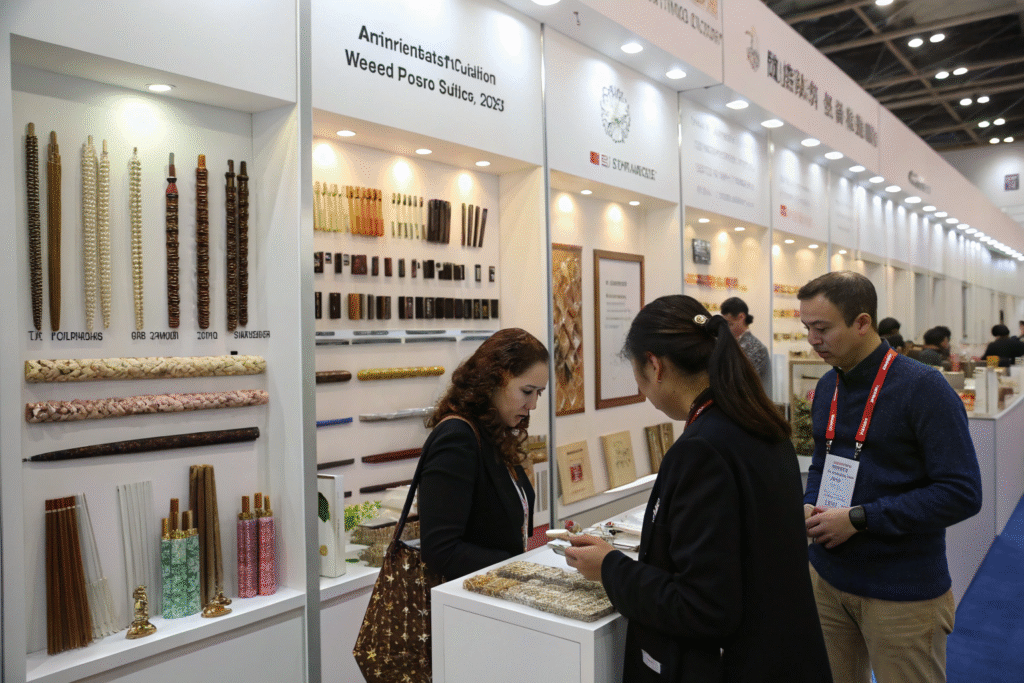
Chinese suppliers have the advantage of offering integrated services, from material selection to 3D modeling. This means you can develop a product from idea to shipment in one place. The key is to work with factories that openly advertise both low-MOQ policies and 3D printing support.
Which online platforms are best for sourcing?
Platforms like Alibaba and Made-in-China list hundreds of suppliers offering hair sticks with low minimums. Many now highlight 3D printing capabilities in their product descriptions. Buyers can filter by MOQ, material, and customization services. Additionally, global sourcing events by Canton Fair and Global Sources allow face-to-face negotiations, which remain valuable for building trust. For example, during the last Canton Fair, more than 120 accessory suppliers showcased low-MOQ hair sticks, with nearly 30% offering rapid 3D printing customization.
Should you consider custom service providers?
Yes, custom 3D printing service providers can help when you want small runs or prototypes. Companies like Xometry or Sculpteo provide flexible low-volume manufacturing services with international shipping. Some even allow you to upload design files directly for instant quotes. While they may not be traditional hair accessory factories, they are effective for unique, limited-edition projects. For instance, a U.K. fashion startup used Xometry’s services to create a 50-piece trial collection, which they later scaled into a full 1,000-piece seasonal line after receiving positive customer feedback.
What Should Buyers Consider Before Ordering?
Sourcing low-MOQ and 3D printed products is promising, but it also requires careful planning. Buyers need to consider cost structures, logistics, and brand alignment. Without preparation, even the best supplier partnership can face challenges.
The key factors include MOQ negotiation, sample testing, logistics planning, and tariff considerations. These details often determine whether a project will succeed smoothly or face hidden costs. For instance, a U.S. accessories brand once underestimated shipping tariffs and lost nearly 15% of its profit margin due to unexpected import duties.

Professional suppliers like HairAcc not only provide product development but also manage packaging, quality inspections, and international shipping. This is especially important for American and European buyers who prioritize timeliness and compliance.
How to negotiate MOQ with suppliers?
MOQ is often flexible, especially with long-term cooperation. Buyers should explain their market goals and potential scaling plans. Many suppliers will reduce MOQ if they see growth opportunities. Online resources like ThomasNet explain best practices for MOQ negotiations. Building trust by ordering consistently, even in small amounts, encourages suppliers to prioritize your needs. For example, one Canadian e-commerce retailer secured a reduction from 500 units to 200 units simply by showing the supplier their growth plan and commitment to future orders.
What about tariffs and logistics?
International buyers, especially from the US and EU, face challenges like tariffs and shipping delays. Choosing suppliers experienced in export helps reduce risks. For example, HairAcc integrates logistics planning and customs clearance services, ensuring smooth delivery. Buyers should also explore global freight partners like Flexport to streamline shipping. Planning for lead times and tariff impacts makes a big difference in overall cost efficiency. A Spanish accessories importer shared that by using Flexport and a supplier with customs experience, their shipping delays dropped by 40% compared to the previous year.
Conclusion
Sourcing low-MOQ hair sticks with 3D printing capabilities gives international buyers flexibility, innovation, and reduced risk. This approach helps test markets, develop custom collections, and scale efficiently. By combining small-batch manufacturing with digital design, brands can stay competitive in a fast-changing fashion accessories industry. Success stories from Europe and America prove that even orders of 100–300 units can validate a new product concept, paving the way for larger production runs later.
If you are ready to explore custom hair stick production, our company Shanghai Fumao (HairAcc brand) is prepared to support you. We combine large-scale production with modern 3D printing development to meet your specific needs. You can contact our Business Director Elaine at elaine@fumaoclothing.com to discuss your next project and receive free samples or a detailed catalog.