

If you’ve ever tried importing hair accessories into the US, you probably know how stressful tariffs and customs codes can be. One wrong code on the paperwork can mean higher costs, delays, or even penalties. For buyers in the fashion industry, that’s the last thing you want when you’re trying to hit seasonal sales deadlines.
Here’s the good news: top Chinese hair accessory manufacturers like us at HairAcc deal with this every single day. We’ve built systems that make tariff classification a smooth part of the process, so our US clients don’t get hit with nasty surprises. We use the right Harmonized Tariff Schedule (HTS) codes, prep all the paperwork, and stay connected with brokers and logistics partners to keep things running without hiccups.
That’s why getting tariff classification right is not just a customs issue—it’s part of smart sourcing. Let’s walk through how we handle it, and what that means for you as a buyer.
What Are the Correct HTS Codes for Hair Accessories?
If you’ve ever Googled “HTS code for hair clips,” you know how confusing it can get. There are so many categories, and picking the wrong one can mean paying extra duties.
Most hair accessories fall into Chapters 61–65 of the HTS for apparel items, or Chapter 96 for combs, slides, and similar products. We have a compliance team that keeps track of these updates, so our US buyers don’t need to worry about using the wrong code.

For example, hair clips and barrettes usually go under HTS 9615, while headbands made with fabric may be grouped with apparel. Getting this right helps you avoid customs delays and keeps your landed costs predictable.
Why Is Correct Classification So Important?
Think of it this way: when you place a bulk order, the manufacturer uses HTS codes to figure out duties and final costs. If the wrong code is used, your final bill could be way higher than expected. According to CBP guidelines, importers are responsible for the classification, so it’s smart to work with suppliers who know their stuff.
Can Manufacturers Help Clients Save Duties?
Yes, and it happens more often than you’d think. Sometimes a small detail—like the fabric type—can mean lower duties. We also keep an eye out for special tariff exclusions or agreements that can help reduce costs. A lot of our US clients even check tools like Freightos to estimate shipping and tariff impact before placing an order.
How Do Manufacturers Work With Customs Brokers?
Customs clearance feels like a black box for many buyers. If the paperwork is off, shipments can get stuck, and that’s a nightmare for fast-moving fashion sales.
That’s why top manufacturers like us always work hand in hand with licensed customs brokers. We prep the commercial invoices, packing lists, and HTS codes so brokers can do their part quickly and without mistakes.

This teamwork means you don’t have to chase answers. If customs has a question, the broker can reach out to our compliance team, and we solve it together.
What Role Do Brokers Play in Tariff Classification?
Brokers are basically your reps at US Customs. They double-check if the codes are correct and make sure everything matches US regulations. They can even suggest little changes in product design or packaging that might save you on duties.
Why Should Buyers Ask About Broker Partnerships?
Not every manufacturer has solid broker connections, but asking about it upfront can save you headaches later. We work with trusted partners like DHL Global Forwarding so you know your shipments won’t get stuck at port.
How Do Trade Agreements Affect Hair Accessories?
Tariffs aren’t the same across the board. Depending on the product, the material, or even current US-China trade relations, the rates can change.
Manufacturers like us stay up to date with all the changes. We tell our clients if their orders can get lower duties thanks to exclusions, agreements, or simple adjustments in materials.
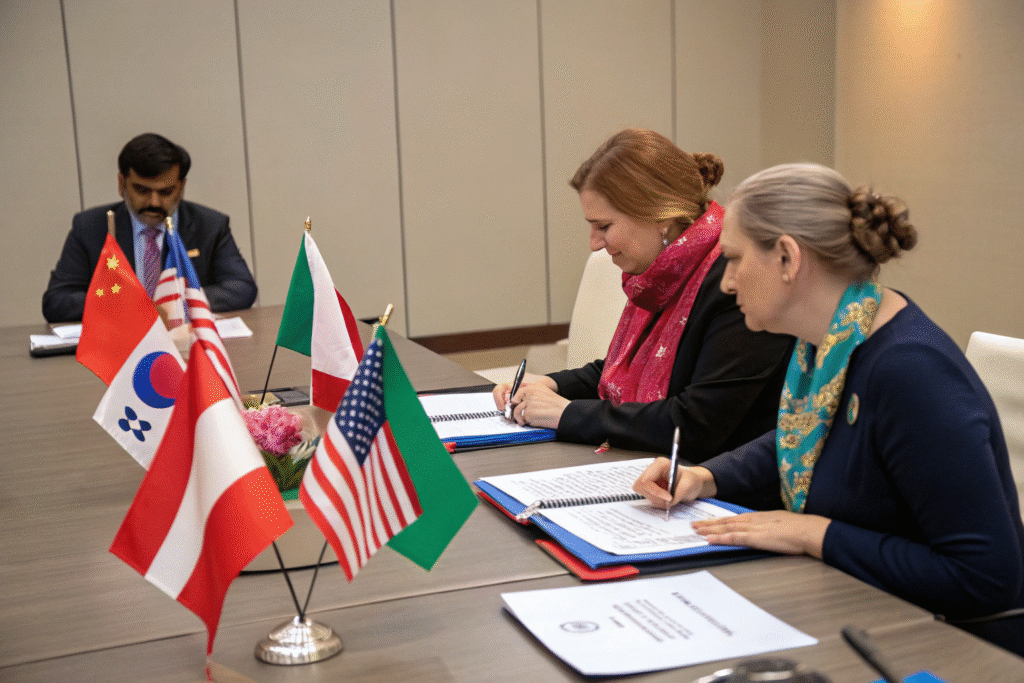
It’s not always obvious, but sometimes a product qualifies for a temporary exclusion or lower rate. That’s where working with an experienced supplier pays off.
Can Exclusions Lower Import Costs?
Definitely. For example, USTR tariff exclusions sometimes allow certain accessories to avoid extra tariffs. When that happens, we let our clients know right away so they can save on costs.
How Do Manufacturers Track Policy Changes?
We follow Federal Register updates and also talk to US-based consultants to make sure we know what’s coming. This way, our buyers aren’t caught by surprise.
What Best Practices Ensure Smooth US Imports?
Even if you’ve nailed the codes and worked with a broker, there’s still one more step: making sure everything runs smoothly before shipping.
That’s why we use best practices like pre-shipment inspections, double-checking documents, and keeping communication open with our clients. These steps help avoid last-minute surprises at US customs.
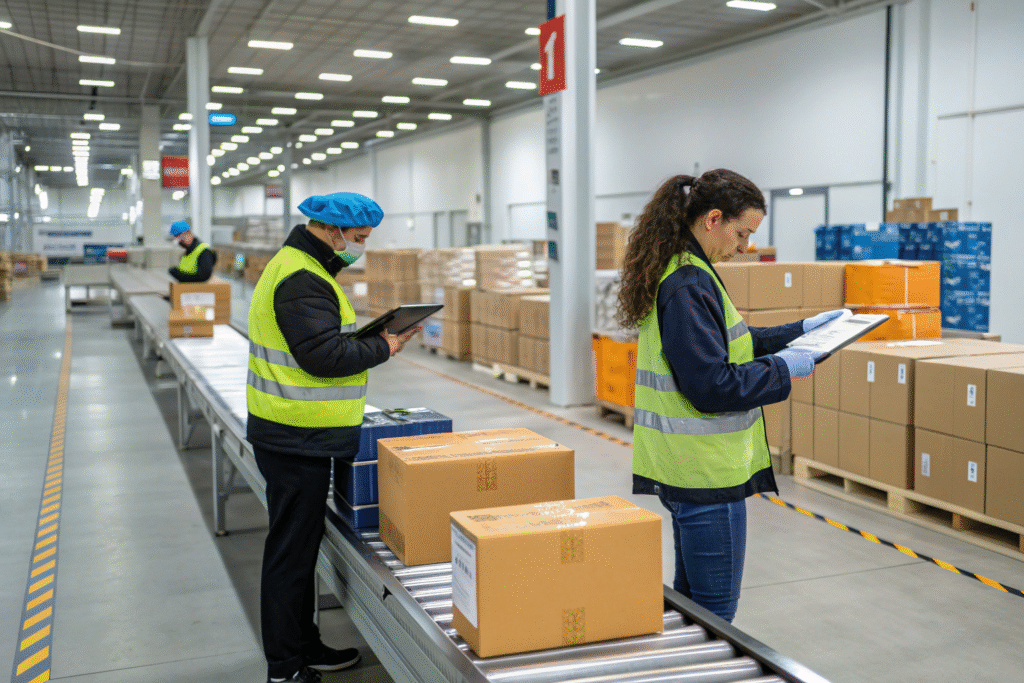
When you’re importing seasonal accessories, you need delivery dates you can count on. These practices make that possible.
How Does Pre-Shipment Inspection Help?
Before goods even leave China, we check packaging, labeling, and compliance. That way, customs won’t reject the shipment once it arrives. We often work with partners like SGS or Bureau Veritas to ensure standards are met.
Why Is Transparent Communication Key?
Nobody likes hidden costs. By sharing codes, shipping terms, and documents upfront, we help our clients plan better. Clear agreements based on Incoterms avoid misunderstandings and keep things transparent.
Conclusion
At the end of the day, tariff classification isn’t just paperwork—it’s what keeps your costs and timelines under control. We handle it carefully by using the right HTS codes, working closely with brokers, tracking trade policies, and following strict best practices.
If you’re looking for a partner who makes importing hair accessories easy and predictable, we’d love to work with you. At Shanghai Fumao, we specialize in producing stylish, high-quality headwear and guiding our clients through every step of the sourcing process. You can reach out to our Business Director Elaine at elaine@fumaoclothing.com and start planning your next order with us today.