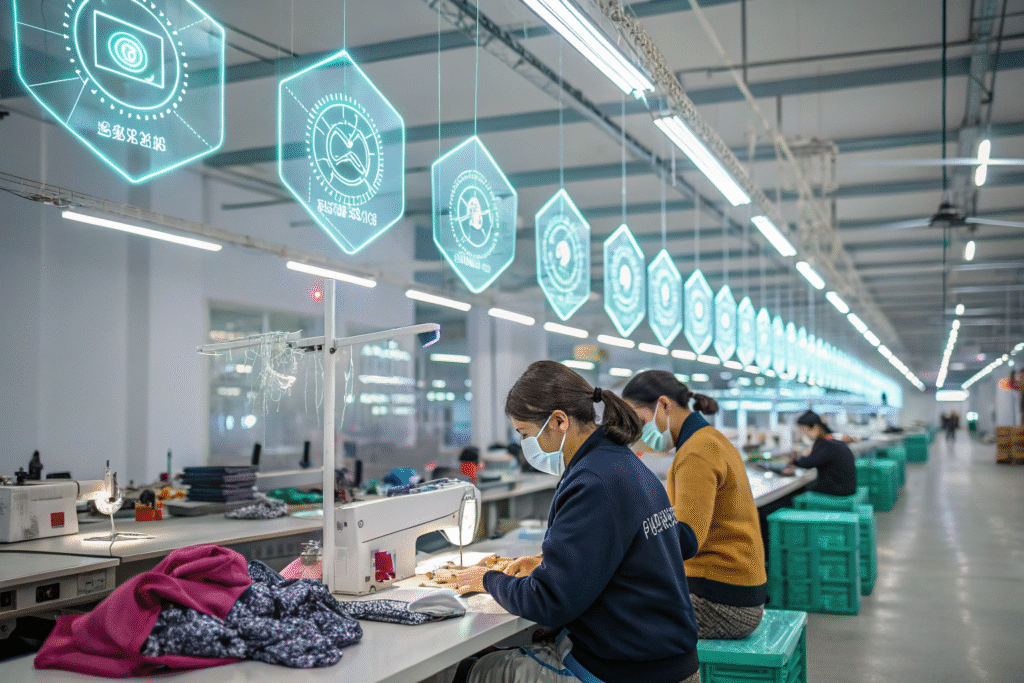
In today’s global fashion marketplace, sourcing is no longer only about physical products. Many buyers struggle with inefficient pricing, late shipments, and limited product innovation. On top of that, counterfeiting and unclear supply chains often damage both trust and brand value. As a result, retailers, wholesalers, and online store owners hesitate when they want to scale their hair accessory business quickly.
Factories that combine physical headwear production with NFT-based authentication are solving these pain points by merging digital verification with real-world manufacturing. For buyers, this leads to stronger quality control, fewer risks of counterfeit goods, and more opportunities for creative brand storytelling.
Because blockchain technology now connects directly with traditional wholesale production, NFT-enabled factories create a new way for global buyers to secure supply, attract customers, and build trust over time.
How Do NFT-Enabled Hair Accessories Work?
The fashion industry is evolving step by step, and NFTs are no longer limited to digital art or gaming. In the case of hair accessories, each physical product can be paired with a digital NFT certificate. Over time, this certificate proves authenticity, stores product information, and even connects to loyalty or resale platforms.
NFTs serve as a digital passport for each item, making it easier for buyers and end-customers to verify where the product was made, what materials were used, and whether it is an official piece from the factory. Because of this, both wholesalers and consumers gain higher confidence in their purchases.
What role do NFTs play in authenticity?
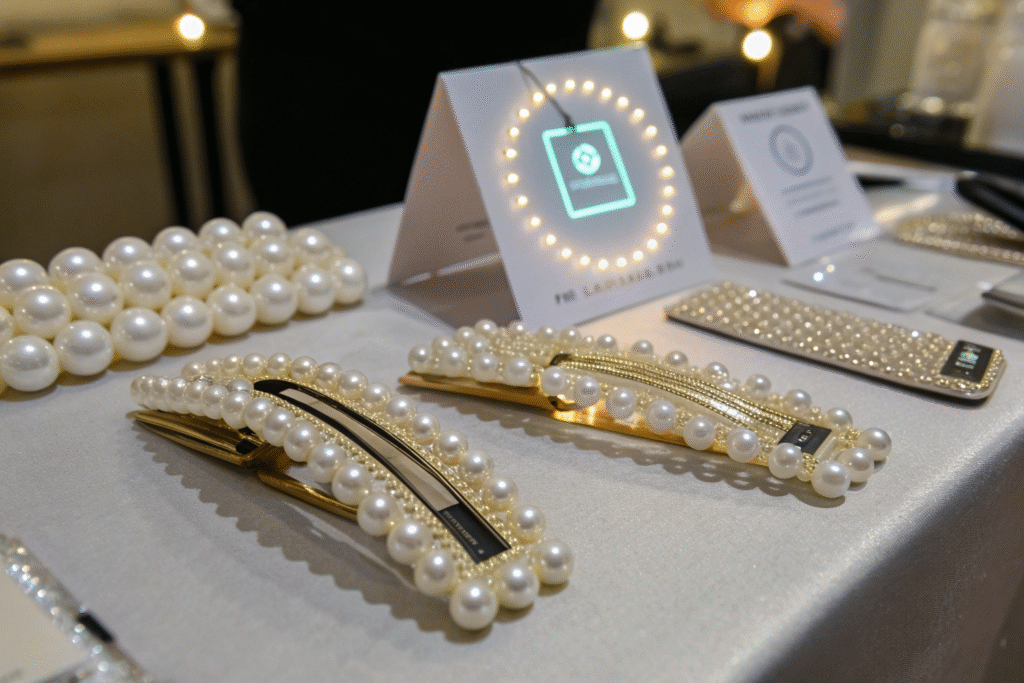
When a hair clip or headband is paired with an NFT, the buyer gains a blockchain-backed record of authenticity. As a result, counterfeit products are less likely to enter the supply chain. Many large retailers already rely on blockchain systems in supply chain management to protect brand reputation. NFT certificates in hair accessories follow the same principle by providing verifiable proof of origin.
Can NFTs improve customer engagement?
Yes. Brands that sell NFT-certified scrunchies or pearl hairpins can use digital twins to engage buyers online. For example, through OpenSea, customers can view exclusive designs, access limited collections, or even resell NFT-backed accessories. As a result, companies gain a new sales channel while maintaining transparency and authenticity.
Why Should Buyers Care About NFT Factories?
From a buyer’s perspective, the top concerns are always quality, speed, cost, and compliance. Because NFT-backed factories provide transparent records for each product, they directly address these concerns.
Working with an NFT-enabled manufacturer means every product order is traceable, trustworthy, and future-proof in both physical and digital markets. This is why more international buyers now ask suppliers about digital certification when sourcing hair accessories.

Do NFTs support better quality control?
Yes. With NFT tagging, each batch of hair accessories is recorded digitally. Therefore, factories and buyers can track inspection results, dyeing processes, and packaging steps. Major companies in quality assurance already explore blockchain to improve traceability, and the same principle applies to hair accessory supply chains.
Are NFT factories more competitive in pricing?
Not necessarily cheaper, but certainly more efficient. Since NFT-backed processes reduce disputes, mislabeling, and counterfeit returns, buyers save hidden costs in the long run. This efficiency also strengthens brand trust. Platforms like Alibaba are beginning to support blockchain-based trade verification, which shows how digital integration changes global sourcing step by step.
What Are the Long-Term Advantages of NFT Integration?
NFT-backed hair accessories are not only a short-term trend but also a long-term shift in how factories and global buyers interact. Over time, these integrations transform the way companies transact and scale.
NFT factories give wholesalers and brands tools to enter both physical and digital markets while protecting their supply chain. Because of this, buyers gain resilience and competitiveness in rapidly changing markets.

Will NFTs help expand into digital fashion?
Yes. NFT-certified products can be used in metaverse platforms and digital try-on experiences. In practice, buyers can collaborate with virtual fashion shows, where NFT hairpins or headbands appear as digital collectibles. Companies like Decentraland already build ecosystems where physical fashion meets digital assets, proving that digital integration is inevitable.
Do NFTs make logistics easier?
Yes. NFT pairing creates a permanent record of shipping and customs clearance. Consequently, buyers can check whether their claw clips or scarves passed inspection, how fast they moved through ports, and what tariffs applied. Blockchain in global logistics is already improving efficiency, and hair accessory factories can leverage the same model effectively.
How Can Buyers Start Working with NFT Factories?
Adopting NFT-enabled sourcing may sound complex at first, but many Chinese manufacturers already provide this option. The process is simple: order samples, test the NFT authentication system, and then integrate it step by step into your supply chain.
For global buyers, partnering with an NFT-backed factory means securing supply while adding a modern digital layer to their brand strategy. Over time, this approach builds stronger brand loyalty and future readiness.
Is NFT adoption risky for small buyers?
No. Since most factories offer low MOQs, small business owners can test NFT-backed products with limited runs. Early adoption helps them stand out in competitive marketplaces like Etsy or Shopify stores powered by Shopify Plus. This step-by-step approach ensures low risk while exploring innovation.
How do brands integrate NFTs with existing sales?
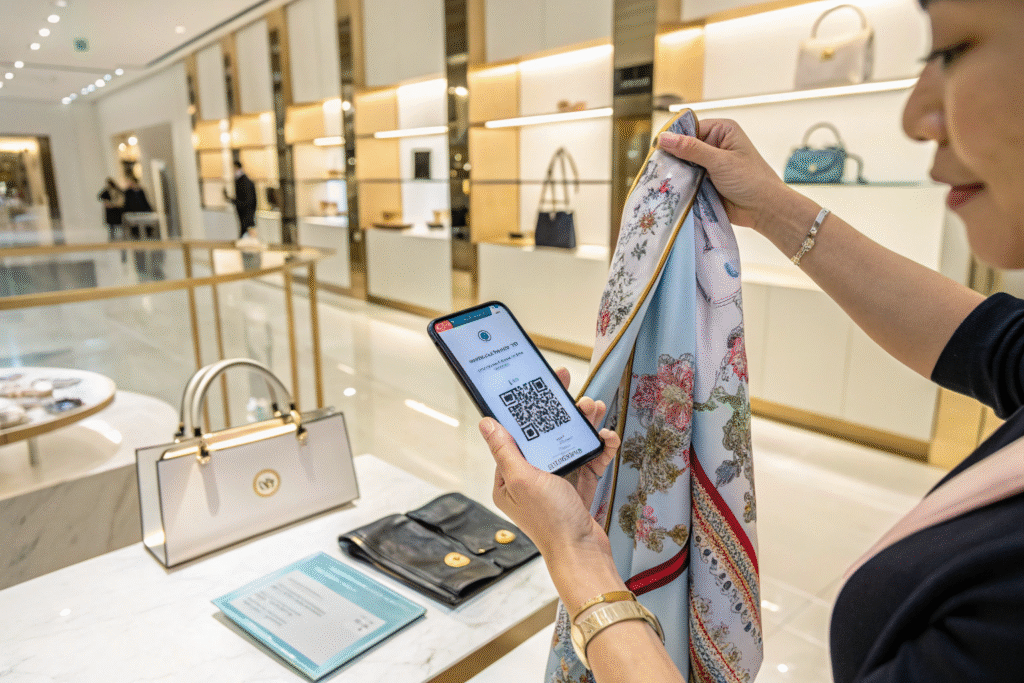
Factories can provide private-label packaging that includes QR codes or NFC chips linked to NFT certificates. Therefore, when customers scan a scrunchie or silk scarf, they immediately see its blockchain record. Similar technology is already common in luxury authentication platforms, and now it applies to everyday fashion accessories, making it easier for brands to integrate.
Conclusion
Factories offering NFT-backed hair accessories represent a major shift in sourcing. They combine authenticity, customer engagement, digital fashion, and logistics efficiency. As a result, buyers enjoy fewer risks, more trust, and stronger competitiveness in the global market.
If you are ready to develop your own line of NFT-backed hair accessories, we at Shanghai Fumao are here to help. Contact our Business Director Elaine at elaine@fumaoclothing.com to discuss your project and explore how our factory can integrate NFTs into your next order.